What is the left sealing panel assembly for the rear floor of the car?
The left sealing panel assembly for the car's rear floor is a dedicated sealing cover located in the left area of the vehicle's rear floor. It is mainly used to seal the assembly gap between the floor and the side panel/wheel arch, achieving waterproof, dustproof, soundproof and airtight isolation. It is not a universal standard part. The specific structure depends on the vehicle model design.
Core definition and function
Location: Installed on the left edge of the rear floor assembly of the white body, usually connecting the left rear wheel arch, left threshold beam or the joint of the side panel inner plate.
Material: Mostly rubber (EPDM), thermoplastic elastomer (TPV) or foamed composite materials. Some contain metal fasteners/attachment layers.
Core function:
Block external water and dust from penetrating the floor welding seam or assembly gap into the passenger cabin;
Improve the NVH performance of the entire vehicle, suppress road noise and vibration transmission;
Maintain the airtightness of the cabin, assist in air conditioning efficiency and corrosion protection;
Cover the metal joint, enhancing the interior aesthetics. Notes for Attention
This name is a specific description within the BOM (Bill of Materials) of a certain model. It is not a common industry term (such as "sealing strip"), and different car manufacturers have significant naming differences (they might call it "left rear floor sealing plate" or "left side sealing cover" etc.). When it comes to maintenance or procurement, it is necessary to query the original factory parts catalogue based on the specific vehicle VIN code. It cannot be matched simply based on the name. There is no independent and universal definition for this exact component in public materials. It is mostly scattered in the explanations of the body sealing system or the floor assembly.
The left sealing plate component of the rear floor of the car is a key sealing and structural connection part at the bottom left of the vehicle body. Its core function is to prevent water vapor/dust from entering the passenger compartment, ensure the airtightness of the rear floor assembly, assist in transmitting collision loads and improve NVH performance. Core function
Sealing Protection: Fill the assembly gap between the left rear floor and the wheel well, side panel or longitudinal beam to prevent mud, water, dust and exhaust from entering the cabin, maintaining a clean and dry passenger compartment.
NVH Optimization: Combine with shock-absorbing gel or sound insulation materials to block the transmission of chassis noise (tyre noise, road noise) and vibration upwards, improving the interior quietness.
Structural Synergy: As part of the rear floor assembly, it participates in the construction of the vehicle's torsional stiffness and assists in transmitting part of the impact force during rear-end collisions, protecting the integrity of the passenger compartment.
Airflow Management: Smooth the transition area on the left side of the chassis, reduce the turbulence of the chassis airflow during driving, and indirectly reduce wind resistance and wind noise.
Position and Association
This component is usually located at the left edge of the rear floor structure under the rear seats, connecting the rear floor body, the left rear longitudinal beam and the inner panel of the side panel, and is often used in conjunction with sealant, sound insulation cotton or lining plates. It is not an independent exterior covering component (different from chassis guard plates). If missing or damaged, it may cause water ingress in the cabin, increased abnormal sounds and local stiffness reduction.
The "rear floor left sealing plate assembly" of the vehicle is not a standard generic part name. It usually refers to the "left rear floor cover/地毯 edge sealing structure or the failure of the metal joint sealing" of the core fault, which is manifested as "leaking water, abnormal sounds, carpet blistering/mold or wiring harness moisture"; it is necessary to first confirm whether it is "the detachment of the interior sealing strip, the cracking of the metal joint sealant, or the loosening of the chassis guard/cover".
Core Judgment and Handling Plan
Fault Qualification: This "component" is mostly a "non-independent replacement part", actually being a "combination failure of the left rear floor carpet edge + metal joint sealant + possible rubber plug/protective plate", rarely being replaced by "the sealing plate" alone.
Typical Symptoms: Left rear floor mat water accumulation, carpet warping and discoloration, interior musty smell, corrosion of left rear wiring harness plug, wind noise/water sound during driving.
Emergency Measures: Immediately remove the left rear seat and carpet to dry it, check if the wiring/controls unit below is waterlogged to prevent short circuits or module damage.
Common Water Leakage Source Investigation Sequence
Tinted window drainage pipe blockage (if there is a tinted window): Left rear drainage pipe bending or foreign matter blocking, water flows along the A/B pillars to the floor.
Door sealant aging/broken: Rainwater seeps from the lower edge of the door gap, accumulates in the threshold and flows into the floor.
Rear windshield glass seal failure: Aging of the rubber strip causes water to flow from the rear window corner into the trunk and then penetrate the cabin floor.
Chassis rubber plug/purpose hole cover missing or loose: Water seeps directly from the bottom during washing or water immersion.
Metal joint weld points/sealant cracking: Improper accident repair or long-term vibration causes cracking of the joint.
Operation Suggestions
Do not use a high-pressure water gun to directly spray at the repair area to avoid secondary water ingress.
If the safety airbag sensor, wiring harness plug or BCM module is located under the left rear floor, be sure to power off for testing first.
If the vehicle is within the warranty period or has recently undergone accident repair, contact the authorized service center to verify whether it is an "assembly defect or sealing process omission".
For non-structural small-scale sealing failure, professional body shop/interior shop can handle it; if it involves large-scale carpet replacement or metal repair, it is recommended to compare the plans of 4S stores and regular second-class repair shops (cost differences can reach 30%-50%).
If specific vehicle model, fault phenomenon (whether water leakage/abnormal sound/odors), and occurrence scenario (after rain/washing after driving/occurring frequently) can be provided, it can further accurately locate the leak point and recommend the repair path.
If you want to know more, keep reading the other articles on this site!
Please call us if you need such products.
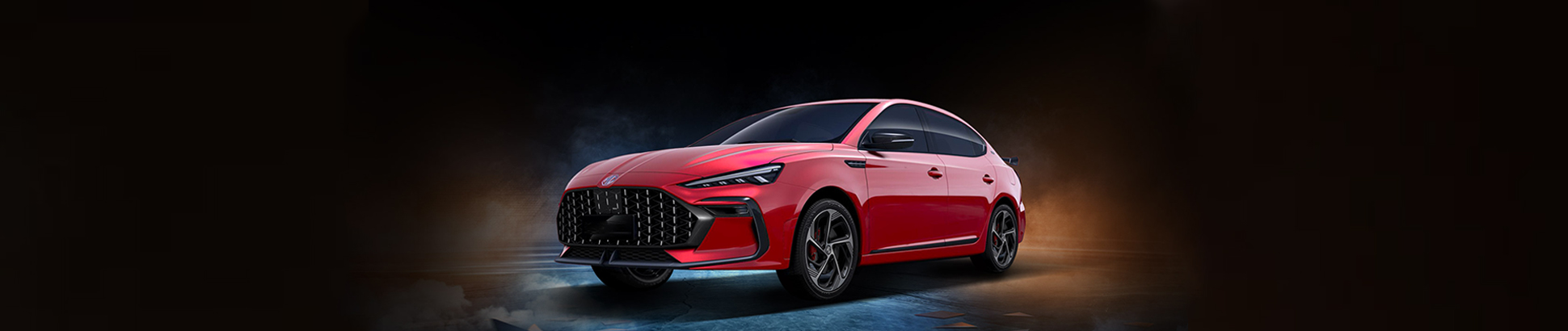
Zhuo Meng Shanghai Auto Co., Ltd. is committed to selling MG&MAXUS auto parts welcome to buy.