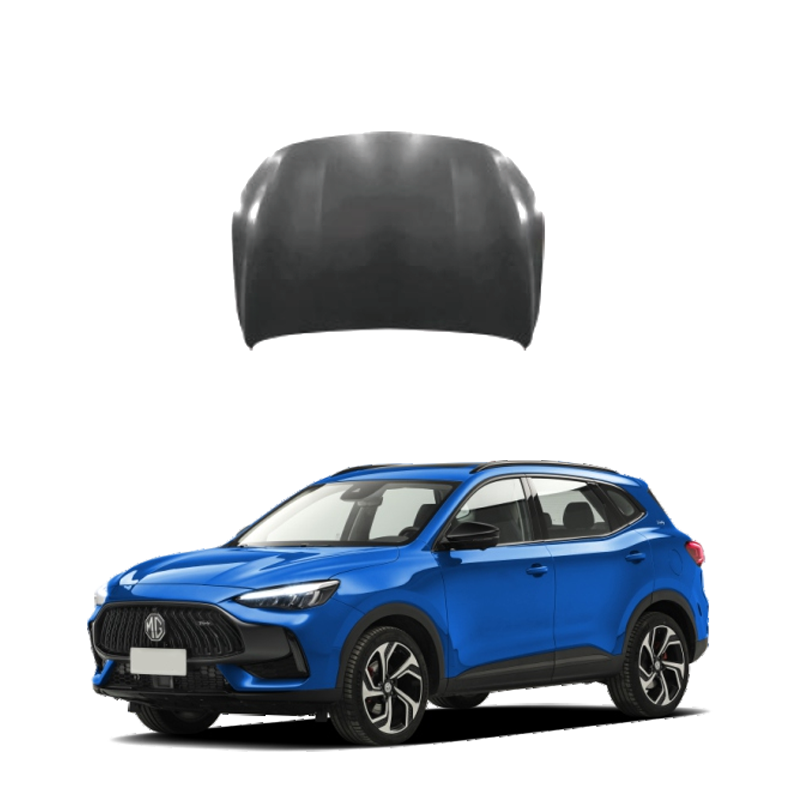
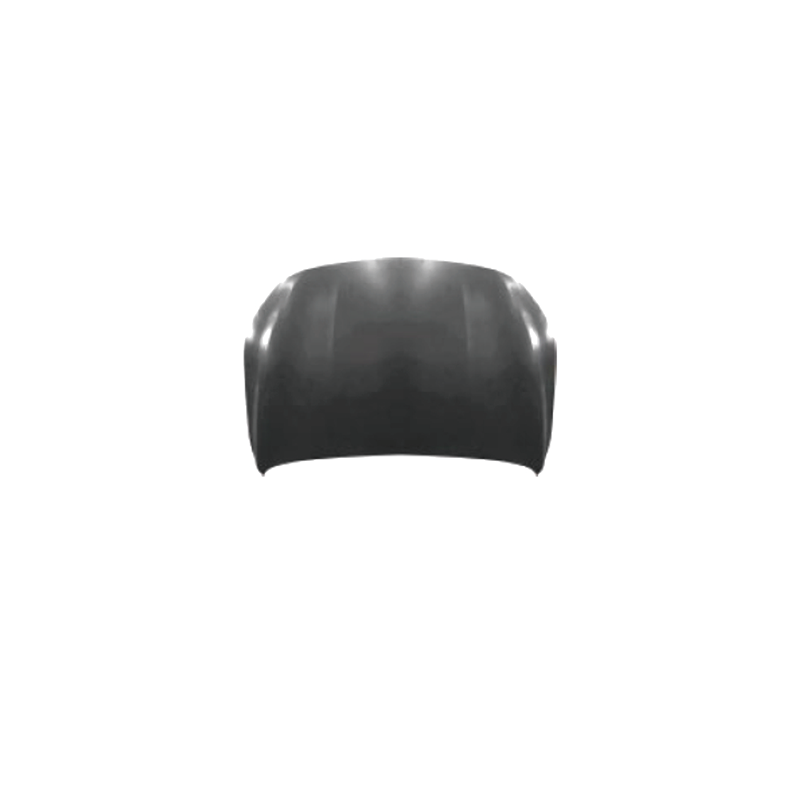
Car hood: The versatile guardian of performance and safety
The car hood, as the iconic component of the vehicle's front end, seems merely to be a metal plate covering the engine above. However, it actually plays an indispensable role in multiple aspects such as vehicle performance, safety, and aesthetics. Additionally, as a frequently used mechanical structure, it may encounter various faults during long-term operation, affecting the normal use of the vehicle. Understanding the functions and common faults of the car hood is essential knowledge for every car owner.
The diverse core functions of the car hood
Aerodynamic optimization: Enhancing performance and stability
From the perspective of aerodynamics, the streamlined surface of the hood is the result of precise fluid mechanics calculations. It can smoothly guide the incoming airflow to the top and sides of the vehicle, reducing turbulence formed in the front area of the engine compartment, thereby lowering the drag coefficient and improving the fuel economy and high-speed driving stability of the vehicle. At the same time, the optimized airflow will exert a certain downward pressure on the front wheels, increasing the contact area between the tires and the ground, providing more precise control feedback during steering or braking, which is particularly important in high-speed driving scenarios.
The core protective function of the car hood
The most fundamental and important duty of the hood is to safeguard the core components in the engine compartment. Engine, fuel lines, brake fluid reservoirs, batteries, and various sensors, among other critical components, require extremely high sealing and stability in the environment. The hood, through a close fit with the vehicle's frame, forms a relatively enclosed space, effectively blocking the infiltration of rain and snow, preventing circuit short circuits or rusting of metal components; during vehicle operation, even minor impacts from flying stones on the road can be buffered by the hard structure of the hood, reducing direct impacts on internal components and ensuring the daily reliable operation of the vehicle.
Appearance aesthetics shaping: Transferring brand design language
The hood is an important carrier of the vehicle's design language. Different brands' models convey unique styles through the lines of the hood: sporty cars often use raised lines to create a sense of power, family cars use smooth curves to embody elegance, and hard-offroad cars with straight hoods showcase a tough posture. It combines with the front grille and headlights to form the "face recognition" of the vehicle. For example, some brands' distinctive "double arch" hood has become a core element of their family design, giving the vehicle a distinct visual identity among numerous models.
Safety protection upgrade: Guarding the safety of passengers and pedestrians
In terms of safety, the special materials and structure of the car hood can play multiple roles. The inner rubber foam and aluminum foil materials can absorb high-frequency noise generated by engine operation, prevent heat, and delay aging of the appearance; in case of an accident, the hood can delay the spread of flames and reduce the impact of explosion shock, providing a hidden defense line for the passengers. Some models equipped with an ejection-type hood can quickly eject during a collision with pedestrians, ingeniously supporting the pedestrians and effectively reducing the injuries they suffer, demonstrating the respect of car design for life.
Common faults and solutions of the car hood
The car hood cannot be opened normally
This is one of the most common faults of the car hood. The main reasons include broken pull wires, lock issues, switch damage, or foreign objects getting stuck. When the pull wire breaks or becomes loose, pulling the interior switch will feel no resistance. At this time, open the front bumper to check the pull wire; if it breaks, replace it; if it is loose, re-fix it; if the lock is stuck due to foreign matter or wear of parts, try lubricating with rust remover and repeatedly pulling the switch; if the interior switch is loose or damaged, the electrical signal cannot be accurately transmitted, and it is necessary to repair or replace the switch.
The car hood cannot be closed normally
This type of fault is often caused by misaligned lock positions, hood deformation, or problems with the buffer rubber pads. If the lock position is misaligned, adjust the screws of the lock to return it to the correct position; If the car hood is slightly deformed due to a collision, you can try to correct it using repair tools. For severe deformation, replacement is necessary. When the buffer rubber pads are aging or not in the correct position, replacing the new pads and adjusting them to the appropriate position can solve the problem.
Uneven hood gaps
Uneven hood gaps not only affect the appearance but also may lead to poor sealing. The main reason is loose hinges or inaccurate installation positions. For loose hinges, simply tighten the screws on the hinges with a wrench. If it is an installation position issue, you need to re-adjust the installation position of the hood to ensure uniform gaps.
Failure of hydraulic rod support for the hood
When the hydraulic rod cannot stably support the hood, you need to immediately investigate the cause. If the hydraulic rod has obvious damages such as cracks or fractures, it needs to be replaced directly; if it causes performance decline due to lack of lubricating oil, add an appropriate amount of lubricating oil and re-test; if the hood is accidentally stuck in the open position causing the hydraulic rod to fail, gently shake the hood to release the jam and then operate again; in addition, you need to check if the locking system is faulty, if the hood itself is damaged, and eliminate the problems one by one.
Daily maintenance tips
To extend the service life of the hood, reduce the occurrence of faults, car owners need to do regular maintenance: Clean the surface of the hood regularly to avoid the accumulation of dust and corrosive substances; Lubricate the moving parts such as the locks and hinges to prevent rust and jamming; Avoid applying excessive force when opening and closing the hood to reduce mechanical damage; Regularly check the condition of components such as the hydraulic rods and sealing pads, and deal with any problems in a timely manner.
The car hood is not only an optimizer of vehicle performance, but also a guardian of safety and a transmitter of brand aesthetics. Understanding its diverse functions and mastering the response methods for common faults can enable this "multi-functional expert" to continuously safeguard the reliable operation of the vehicle.
If you want to know more, keep reading the other articles on this site!
Please call us if you need such products.
Zhuo Meng Shanghai Auto Co., Ltd. is committed to selling MG&MAXUS auto parts welcome to buy.