What is a transmission bracket
The transmission mount, also known as the transmission suspension, is a key component that connects the transmission to the vehicle body. Its core function is to reduce the vibration and noise of the transmission during operation , and maintain the stable position of the transmission to ensure smooth power transmission.
The transmission bracket is mainly divided into two types: torque bracket and engine foot rubber. The torque bracket is usually installed on the front axle at the front of the vehicle body and connected to the side of the engine. Its structure is similar to an iron rod and absorbs vibrations through the rubber shock-absorbing rubber inside. Engine foot rubber, on the other hand, is a rubber block directly installed at the bottom of the engine, mainly serving to fix and absorb shock.
The function of is specifically manifested in three aspects:
Youdaoplaceholder0 Support and fixation : Firmly fix the transmission to the vehicle body to prevent it from shaking during acceleration, deceleration or turning, and avoid component wear.
Youdaoplaceholder0 Shock absorption and noise reduction : Utilizing flexible materials such as rubber to absorb the vibration of the transmission and engine, reducing the transmission of noise to the cab and enhancing comfort.
Youdaoplaceholder0 Alignment and protection : Ensure that the transmission is precisely aligned with the engine and drive shaft to enhance transmission efficiency, reduce additional wear, and extend the lifespan of components.
Youdaoplaceholder0 When the transmission bracket is damaged, common symptoms include: metallic knocking sounds when starting or accelerating, increased chassis vibration during driving, unsmooth gear shifting or gear skipping, which can affect driving safety and vehicle performance.
The transmission bracket is a key component in the automotive power system. Its main function is to support and fix the transmission, ensuring it remains in a stable position under various working conditions.
It is usually composed of a metal frame and flexible materials such as rubber to balance rigidity and shock absorption requirements.
Youdaoplaceholder0 Support and positioning: The bracket firmly connects the transmission to the vehicle body frame or engine, preventing it from shifting or shaking during vehicle acceleration, deceleration or turning, thereby avoiding wear of internal components and ensuring precise alignment between the transmission and the engine, as well as the drive shaft, thereby enhancing power transmission efficiency.
Youdaoplaceholder0 Shock absorption and vibration isolation: The rubber bushings in the bracket can absorb and mitigate the vibrations transmitted by the engine operation and the road surface, reduce noise and resonance, significantly improve driving and riding comfort, and lower the risk of damage to surrounding components caused by long-term vibrations.
Youdaoplaceholder0 Stability and performance optimization: Some brackets (such as torque brackets) also serve to limit the sway of the powertrain, especially to suppress the forward and backward movement of the engine during acceleration or braking, thereby enhancing the vehicle's driving stability. The optimized bracket design can also reduce the jolt during gear shifting and enhance the handling response.
Youdaoplaceholder0 Protection and service life extension: effectively isolates vibration and shock, and the bracket reduces additional wear on the transmission and related connecting parts, which helps to extend the service life of key components and lower the failure rate.
When the transmission bracket malfunctions, the vehicle will exhibit a variety of obvious symptoms, including vibration, noise, abnormal handling and potential leakage. The following is an explanation based on common failure modes.
Youdaoplaceholder0 Obvious shaking during start-up and driving : The vehicle body shakes more intensely when starting, and the stability decreases during driving. In severe cases, there may be violent shaking. This is because the bracket cannot effectively buffer the vibration of the engine and transmission.
Youdaoplaceholder0 Abnormal noise : During a malfunction, you may hear creaking sounds, clicking sounds or continuous abnormal noises, especially more obvious when starting, shifting gears or in neutral. If the abnormal noise disappears after stepping on the clutch, it may indicate a problem with the internal bearings of the transmission. However, damage to the bracket itself is often accompanied by abnormal friction sounds between components.
Youdaoplaceholder0 Abnormal gear shifting and jerky sensation : Damage to the transmission bracket can alter the relative positions of internal components, causing rough, stuck or malfunctional gear shifting, and resulting in a distinct jerky sensation, which affects driving smoothness.
Youdaoplaceholder0 Potential oil leakage and component damage : bracket damage may affect the sealing performance of the transmission, causing transmission fluid leakage (red or brown oil stains can be seen on the bottom of the vehicle). Long-term neglect may also accelerate internal wear or overheating due to insufficient lubrication.
Youdaoplaceholder0 Emergency handling and prevention : upon discovering the above symptoms, one should immediately reduce high-load driving and go to a professional maintenance point for inspection; The load on the bracket can be reduced on a daily basis by regular maintenance and avoiding sudden acceleration and braking.
If you want to know more, keep reading the other articles on this site!
Please call us if you need such products.
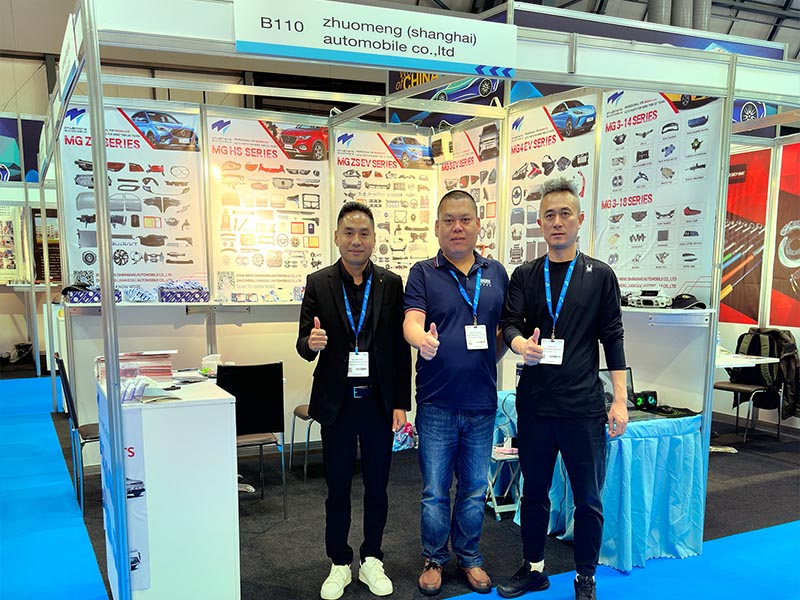
Zhuo Meng Shanghai Auto Co., Ltd. is committed to selling MG&MAXUS auto parts welcome to buy.