What material is the rear axle of a car made of
The material of the rear axle of a car is not single but an assembly composed of multiple metal materials, mainly including castings and forgings (such as steel, aluminum, cast iron, etc.), while some sealing parts are made of non-metallic materials .
Main material composition
Youdaoplaceholder0 metal body material : The core structural components of the rear axle typically use high-strength metal materials, such as:
Youdaoplaceholder0 steel : It features high tensile strength and toughness, and is suitable for withstanding the impact force during vehicle operation.
Youdaoplaceholder0 aluminum alloy : used in high-end vehicle models, it features lightweight and good corrosion resistance.
Youdaoplaceholder0 cast iron : It is low in cost and high in strength, but it may produce noise and is gradually being replaced by other materials.
Youdaoplaceholder0 Key parts material : Precision components such as differential gears often use alloy steel (such as 20CrMnTi) to ensure wear resistance and load-bearing capacity.
Youdaoplaceholder0 Auxiliary materials : The sealing parts may use non-metallic materials such as rubber for oil and leakage prevention.
Basis for material selection
The rear axle materials of different vehicle models vary according to performance requirements, for example:
Economy vehicles mostly use steel or cast iron to balance cost and strength.
High-end models may use aluminium alloy to reduce weight and enhance handling.
The selection of materials is aimed at ensuring that the rear axle can reliably transmit power, support the wheels and adapt to complex working conditions.
The rear axle of a vehicle is a component of the rear drive shaft for power transmission. Its main functions include supporting the wheels, transmitting power, reducing speed and increasing torque, and differentiating to adjust the wheel speed . Its working principle involves the coordinated action of core components such as the main reducer and differential.
Core function
Youdaoplaceholder0 Power transmission : The engine power is transmitted to the rear axle through the transmission and drive shaft. After the main reducer reduces the speed and increases the torque, it drives the rear wheels through the half shaft.
Youdaoplaceholder0 differential adjustment : Solve the problem of the speed difference between the inner and outer wheels during turning through the differential. When driving in a straight line, the cross column inside the differential remains stationary, and the wheels on both sides move at the same speed. When turning, the planetary gears automatically adjust the rotational speeds on both sides to ensure smooth steering of the vehicle.
Youdaoplaceholder0 Load-bearing and braking : Supports the weight of the vehicle body, transmits the road reaction force to the frame, and assumes the main braking force during braking.
Key components and principles
Youdaoplaceholder0 main reducer : It reduces the rotational speed of the transmission shaft and increases the torque. It is usually composed of a pair of bevel gears.
Youdaoplaceholder0 differential : Composed of a cross shaft, planetary gears, etc., it achieves power distribution through gear meshing.
Youdaoplaceholder0 Half shaft and axle housing : The half shaft connects the differential to the wheels, and the axle housing protects the internal components and fixes the rear wheels.
Drive form differences
When the front axle is driven: The rear axle only bears the load.
When the rear axle is driven: It undertakes the functions of driving, deceleration and differential.
Four-wheel drive: A transfer case is usually equipped in front of the rear axle to achieve power distribution between the front and rear axles.
Common problems with the rear axle of a car include abnormal noises, oil leakage, overheating, etc. Maintenance should be carried out based on specific symptoms. The following are the main types of faults and their handling methods:
Abnormal noise fault
Youdaoplaceholder0 Poor gear meshing : A "buzzing" sound occurs during acceleration or braking. The gear meshing marks need to be adjusted or the damaged gears replaced.
Youdaoplaceholder0 Bearing wear : There is no abnormal noise when driving in a straight line, but a periodic knocking sound is emitted when turning. The worn bearing needs to be replaced.
Youdaoplaceholder0 differential damage : Abnormal noise accompanied by abnormal power transmission. The differential needs to be inspected or replaced.
Oil leakage fault
Youdaoplaceholder0 Oil seal damage : Oil leakage mostly occurs at the mating surface between the half shaft and the hub or at the rear axle cover. The oil seal needs to be replaced.
Youdaoplaceholder0 vent hole blockage : the internal pressure rises, causing oil leakage. Clearing the vent hole can solve the problem.
Heating fault
Youdaoplaceholder0 Abnormal lubricating oil : Both too much and too little oil can cause overheating. Lubricating oil should be added in accordance with the standard.
Youdaoplaceholder0 Tight bearing : Overheating accompanied by abnormal noise. The bearing clearance needs to be adjusted or the bearing replaced.
Other faults
Youdaoplaceholder0 journal wear : The journal needs to be repaired or replaced. In severe cases, the rear axle assembly needs to be replaced.
Youdaoplaceholder0 rear axle housing crack : Minor cracks can be repaired; severe ones require replacement of the axle housing.
Maintenance suggestions
Youdaoplaceholder0 Regular maintenance : Check the oil seal, vent hole and lubricating oil condition to avoid inferior parts.
Youdaoplaceholder0 Professional inspection : When abnormal noise or oil leakage persists, the rear axle needs to be disassembled to check the internal components.
If you want to know more, keep reading the other articles on this site!
Please call us if you need such products.
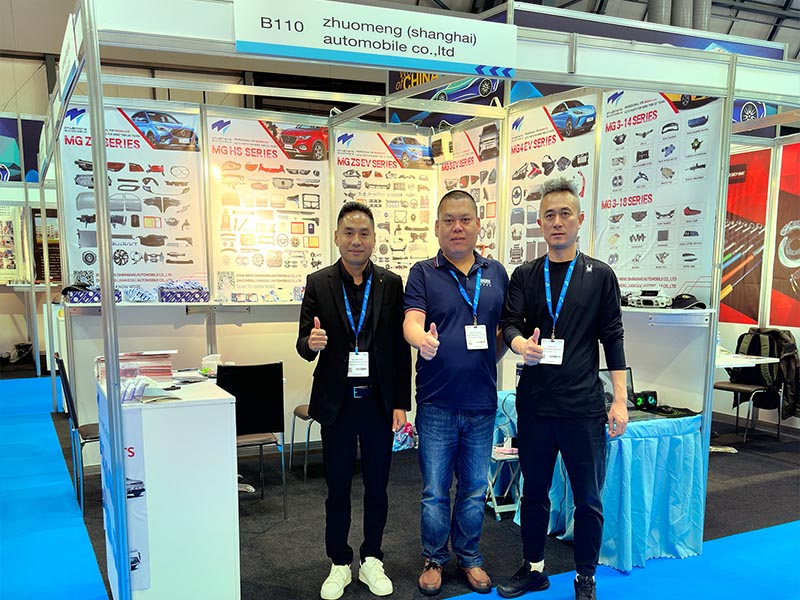
Zhuo Meng Shanghai Auto Co., Ltd. is committed to selling MG&MAXUS auto parts welcome to buy.