What is a flow control valve for an automotive oil pump
The function of the automotive oil pump flow control valve is to limit the maximum flow of the oil pump, ensure the stability of the oil pressure and protect the engine lubrication system . The following are the specific functions and principles:
Core function
Limit the maximum flow rate: By adjusting the amount of oil output by the oil pump, prevent excessive flow due to excessively high engine speed, and avoid overheating of the oil pump or power waste.
Maintain stable pressure: When the engine speed changes, the control valve automatically adjusts the flow rate to ensure that the oil pressure remains within a reasonable range and meets the engine's lubrication requirements.
Working principle
Linkage with engine speed: The flow rate of the oil pump is usually proportional to the engine speed, but the control valve will dynamically adjust according to actual needs to avoid insufficient flow at idle or excessive flow at high speed.
Pressure regulation mechanism: Some control valves achieve pressure feedback through pressure-limiting valves or diaphragm structures (such as fuel pressure regulators). When the pressure exceeds the set value, the excess oil flows back to the oil inlet or the fuel tank.
Typical application scenarios
Engine lubrication system: Ensures that the engine oil can provide stable pressure under both high and low speed conditions, reducing wear.
Prevent oil pump overload: Avoid mechanical damage to the oil pump or abnormal increase in oil temperature due to excessive flow.
The main function of the flow control valve for the automotive oil pump is to limit the maximum pressure of the lubrication system, preventing damage to the lubrication components or oil leakage in the oil passage due to excessive pressure. The following is the specific function analysis:
Core function
Pressure limit: By adjusting the output pressure of the oil pump, ensure that the lubrication system operates within a safe range and prevent components from being damaged due to high pressure.
Oil leakage protection: When the system pressure abnormally rises, the control valve will automatically release pressure to prevent oil passage seal failure and oil leakage.
The difference from other control valves
Unlike the flow control valve of the steering oil pump, which is specifically designed for lubrication systems, the control valve of the steering oil pump is used to limit the flow of the power steering system.
Unlike the gasoline pump control valve, which mainly regulates fuel pressure, the oil pump control valve is designed for oil pressure.
Typical application scenarios
Oil pump control valves are commonly found in engine lubrication systems, especially in models with high-pressure lubrication requirements (such as diesel engines or high-performance vehicles).
A malfunction of the flow control valve of the car oil pump can lead to abnormal oil pressure, insufficient engine power, abnormal noise and other problems, and it needs to be repaired in time . The following are the specific manifestations and impacts:
Typical fault manifestations
Abnormal oil pressure: The oil pressure warning light on the dashboard is on, which may be accompanied by excessively high or low oil pressure.
Abnormal engine noise: The piston, crankshaft and other components produce sharp friction sounds or knocking sounds due to insufficient lubrication.
Power decline: Weak acceleration, sudden acceleration causing the vehicle to freeze, and increased fuel consumption.
Difficulty in starting: The key needs to be turned multiple times to start, especially when the vehicle is cold.
Serious consequences
Engine overheating: Poor circulation of engine oil leads to reduced heat dissipation efficiency, which may cause cylinder pulling and bearing burning.
Self-ignition risk: Uncontrolled oil pressure may cause mechanical overheating or seal failure.
Common causes of faults
Damage to the solenoid valve: It leads to obstruction of oil delivery and affects oil pressure regulation.
Wear of parts: Insufficient fuel supply is caused by the wear of components such as the plunger sleeve and the oil outlet valve.
Oil circuit blockage: Impurities or poor-quality engine oil clog the filter screen, accelerating the wear of the pump body.
Maintenance suggestions
Stop the vehicle immediately for inspection to avoid further driving and causing greater damage.
Use professional tools to test the oil pressure (such as a fuel pressure gauge) and troubleshoot problems with the solenoid valve or mechanical components.
Replace the original factory parts and regularly change the oil filter to avoid inferior oil.
If you want to know more, keep reading the other articles on this site!
Please call us if you need such products.
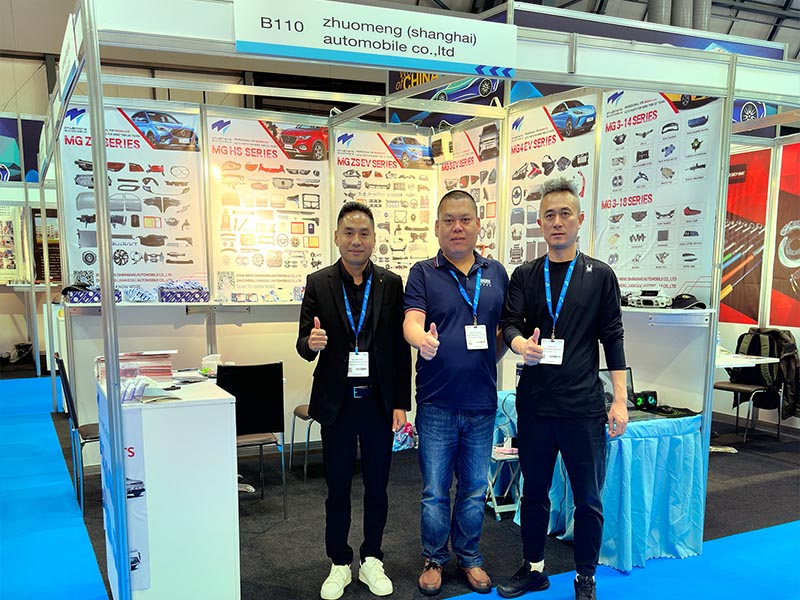
Zhuo Meng Shanghai Auto Co., Ltd. is committed to selling MG&MAXUS auto parts welcome to buy.