Car Rear Wheel Bearings: The Key Guardian of Driving Safety
In the suspension system of a car's chassis, the rear wheel bearings may seem insignificant, but they are one of the core components that support the vehicle's smooth movement. They are like the "joints" of the wheels, silently bearing various complex loads during the vehicle's operation, and having a crucial impact on driving safety, handling performance, and passenger comfort. Understanding the role, failure manifestations, and solutions of rear wheel bearings is a necessary course for every car owner to ensure driving safety.
The Core Function of Car Rear Wheel Bearings
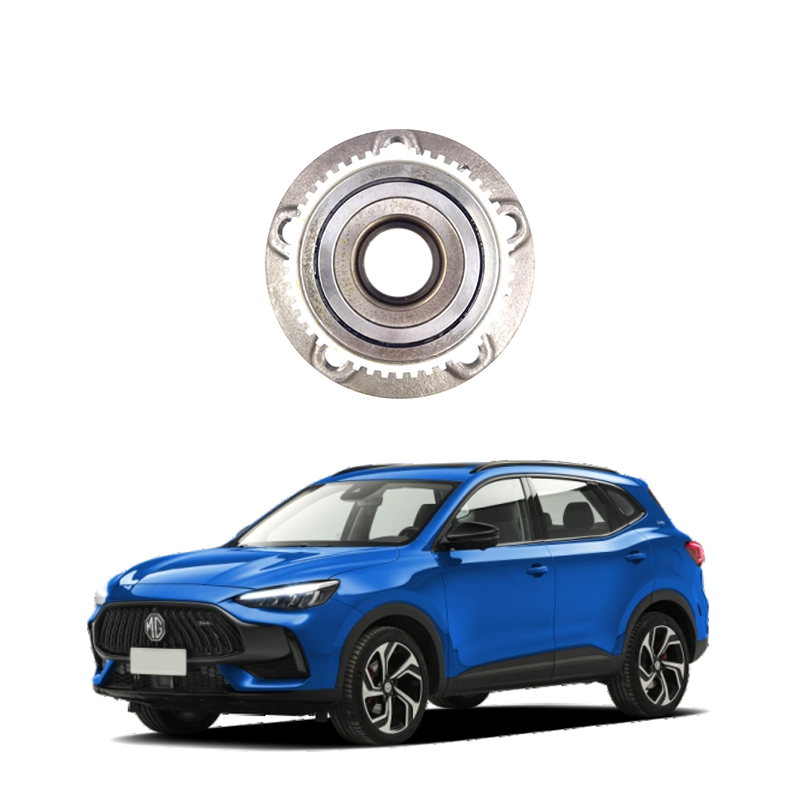
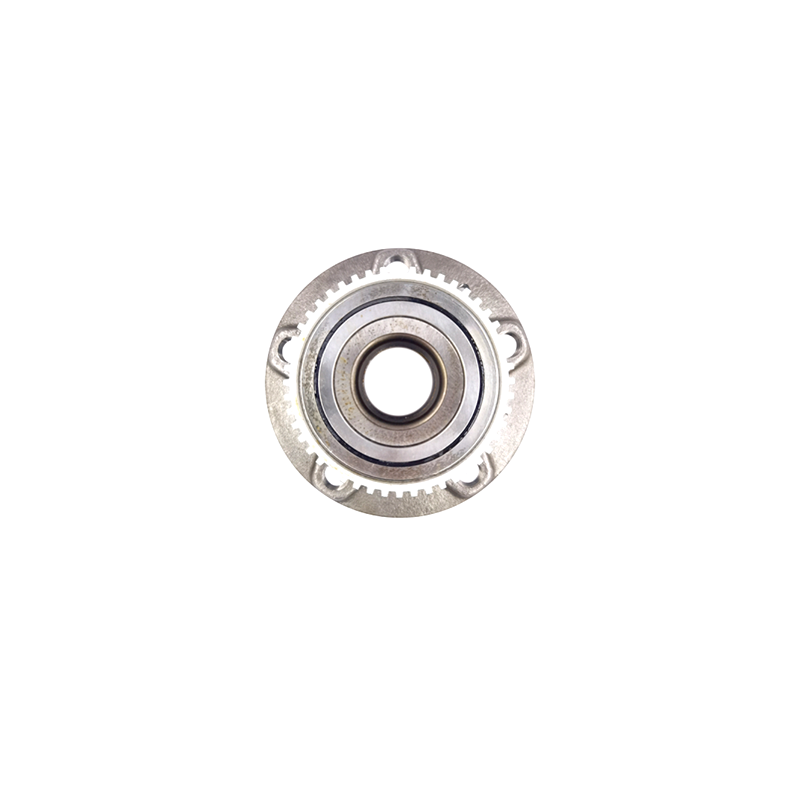
The core components of rear wheel bearings include the inner ring, outer ring, rolling elements (steel balls or rollers), and cage. Some models also incorporate an ABS sensor magnetic ring. The core functions of rear wheel bearings can be summarized as follows:
Carrying the weight of the vehicle, ensuring stable driving. The rear wheel bearings are the key components that support the vehicle's weight. The weight of the vehicle is transmitted through the suspension system to the bearings, which then transfer it to the wheels. Whether it's driving on urban roads or in complex off-road conditions, it can stably withstand the radial and axial loads of the vehicle, ensuring a stable connection between the wheels and the vehicle body. Once the bearings fail, the vehicle body may experience significant shaking, especially during turns or when passing over, and this instability becomes more pronounced as the speed increases, seriously affecting driving safety.
Reducing friction loss and improving transmission efficiency. The rolling ball or roller structure inside the bearings converts sliding friction during wheel rotation into rolling friction, significantly reducing energy loss. High-quality bearings can increase transmission efficiency by approximately 15%, allowing engine power to be more effectively converted into vehicle forward motion, indirectly improving the vehicle's fuel economy. If the bearings are inadequately lubricated or corroded, the friction resistance will increase, not only increasing fuel consumption but also potentially causing the bearings to overheat or jam, leading to safety hazards.
Maintaining wheel alignment and preventing abnormal wear. The rear wheel bearings are precisely fitted with components such as the steering knuckle and hub during installation, helping to maintain the correct alignment angle of the wheels. It ensures that the wheels maintain the correct posture during driving, preventing deviation or shaking. If the bearings are loose or damaged, the wheels may experience slight deviation, resulting in uneven tire wear and shortening the tire lifespan.
Improving driving smoothness and reducing noise interference. High-quality rear wheel bearings can effectively filter out minor vibrations from the road surface, enhancing the vehicle's driving smoothness. They reduce vibrations and noise during wheel rotation, creating a comfortable driving environment for passengers. Worn bearings, however, produce various abnormal sounds, such as continuous "buzzing" or "clunking" sounds during driving, which become more pronounced as the speed increases and may weaken or disappear when turning. This seriously affects the driving experience.
Fault Manifestations and Hazards of Car Rear Wheel Bearings
The development of rear wheel bearing faults is a gradual process, from early minor wear to later severe damage, showing different symptoms. Identifying these fault signals in time can effectively prevent accidents.
Abnormal noises during driving. This is the most common early symptom of rear wheel bearing damage. When the rolling balls or cage inside the bearings wear out, irregular friction occurs during rotation, typically presenting as continuous "buzzing" or "gurgling" sounds, which increase with vehicle speed. This noise is different from the uniform "sizzling" sound of tire wear. The noise of bearing failure is more like a "dull low-frequency hum," which is more obvious when driving in a straight line and may weaken or disappear when turning.
Decrease in vehicle driving stability. When rear wheel bearings are severely worn, the wheels may experience slight shaking, causing a "floating" sensation during driving, especially at high speeds. Some vehicles may also experience indirect shaking of the steering wheel, affecting the accuracy of handling. If a vehicle needs to frequently adjust its direction while driving in a straight line, or experiences abnormal side-slip when turning, it may be related to damaged bearings.
If the temperature of the hub rises abnormally and returns to normal after normal driving, touch the rear hub of the wheel with your hand. If you feel that the temperature is significantly higher than that of the front wheel or the other rear wheel, it may be caused by poor lubrication or excessive wear of the bearings, resulting in friction and heat generation. Excessive hub temperature not only accelerates the damage of the bearings but also may cause the risk of tire blowout. You should immediately stop the vehicle for inspection to avoid continued driving.
Abnormal feedback during braking and damage to the rear wheel bearing may affect the normal operation of the braking system. Some car owners may feel a slight "stuck" or "jolt" sensation in the rear wheel when braking, and the brake pedal may also experience abnormal vibrations. If this situation is not promptly addressed, it may lead to an extended braking distance and increase the risk of driving safety hazards.
Wheel looseness or shaking occurs when the bearings are damaged to a certain extent. The wheel will show obvious gaps in the axial direction (front and back push-pull) and the radial direction (left and right shaking). By grasping the tire and shaking it up and down or left and right, you can feel the looseness, indicating that the rollers or raceways inside the bearings have been severely worn. During high-speed driving, the worn bearings cannot stably support the wheel, causing slight "swinging" during wheel rotation. This swinging will be transmitted to the steering system through the steering system, causing intermittent or irregular shaking of the steering wheel.
Handling and prevention of rear wheel bearing failure
The rear wheel bearing is an irreparable component. Once damaged, it can only be resolved by replacement. To extend the service life of the bearings and reduce the occurrence of faults, car owners should pay attention to the following points in daily driving:
Avoid driving in harsh road conditions. Long-term driving in waterlogged areas, on worn roads, with frequent hard braking, or having been hit will accelerate the wear of the rear wheel bearings. In non-essential situations, try to avoid driving in harsh road conditions to reduce the impact and corrosion on the bearings.
Regularly inspect and maintain the vehicle's chassis components, including the wear condition of the rear wheel bearings and the lubrication status. If you notice abnormal noise during driving, vehicle drift, abnormal increase in hub temperature, and other symptoms, you should promptly have the bearings inspected and repaired at a regular repair shop to avoid the expansion of the fault.
When replacing the rear wheel bearing, choose high-quality bearing components that are compatible with the vehicle model. High-quality bearings are made of solid materials, have clear steel marks on the inner and outer rings, have uniform polishing of the raceways, and fit tightly after installation, effectively ensuring driving safety and handling performance.
The installation quality of the bearings directly affects their service life and performance. After replacing the bearings, perform four-wheel alignment to ensure normal vehicle driving parameters and avoid premature damage to the bearings due to improper installation.
In conclusion, the rear wheel bearing is a key component for ensuring driving safety. Its role cannot be underestimated. Car owners should pay attention to the daily maintenance of the rear wheel bearing, promptly identify fault signals, and detect and handle them early to ensure that the vehicle is always in a good operating condition and enjoys a safe and comfortable driving experience.
If you want to know more, keep reading the other articles on this site!
Please call us if you need such products.
Zhuo Meng Shanghai Auto Co., Ltd. is committed to selling MG&MAXUS auto parts welcome to buy.