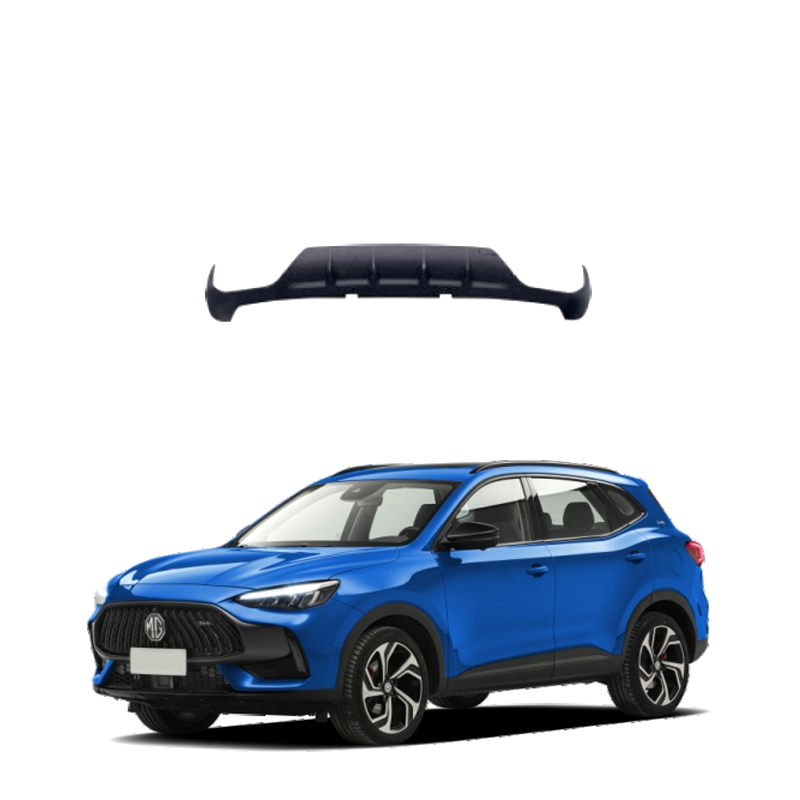
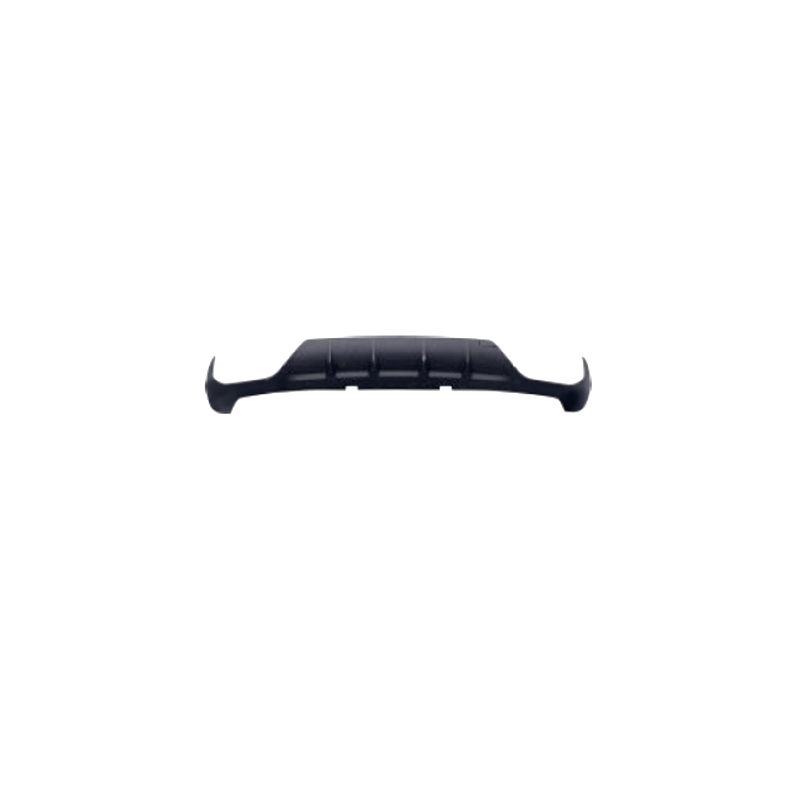
Lower section of the car's rear bumper: Function analysis and fault resolution
In the overall structure of a car, the lower section of the rear bumper may seem insignificant, but it is actually a crucial component that integrates multiple functions. Its proper operation is vital for the vehicle's driving safety, performance, and overall appearance. Additionally, due to its unique position and frequent exposure to complex environments, it is prone to various malfunctions.
I. The Multiple Functions of the Lower Section of the Car Rear Spoiler
(1) Aerodynamic Optimization: Enhancing Driving Stability and Fuel Efficiency
The lower section of the car's rear bumper usually takes the form of a diffuser or a lower guard plate, and is a crucial part of the vehicle's aerodynamic design. When the vehicle is traveling at high speed, the air forms chaotic airflow under the vehicle, generating upward lift, which reduces the adhesion between the tires and the ground and affects the driving stability. The flow guiding structure of the lower section of the rear bumper can direct the airflow in an orderly manner, reduce the vortices and disorder of the air flow under the vehicle, and lower the drag coefficient. Data shows that the optimized lower section flow channel of the rear bumper can reduce the drag coefficient by 0.03 - 0.05, and for mid-sized SUVs, the fuel consumption can be saved by approximately 0.5L per 100 kilometers. At the same time, it can also increase the vehicle's downforce when traveling at high speed, improve the driving stability by about 2%, and effectively prevent the occurrence of dangerous situations such as vehicle drifting and skidding.
(2) Protective Function: Guarding the Safety of the Vehicle Body and Pedestrians
The lower section of the rear bumper acts like a "protective shield" at the vehicle's rear end. During normal driving, it can effectively prevent the impact and scratches from the road debris and sand on the bottom of the vehicle, protecting the rear chassis components, exhaust pipes, etc. from damage. This protective effect is particularly significant for vehicles that frequently travel on unpaved roads or complex terrains. Moreover, in the event of an accidental contact between the vehicle and a pedestrian, the buffering structure and soft material of the lower section of the rear bumper can alleviate the direct impact on the pedestrian's legs, reducing the degree of injury, and thus becoming an important part of the pedestrian safety protection system.
(3) Exterior Decoration: Creating the Overall Aesthetics of the Vehicle
The design of the lower section of the rear bumper is highly in line with the overall style of the vehicle, serving as an important complement to the vehicle's exterior appearance. The lower section of the rear bumper in sports models often features honeycomb grilles, air intake ports, etc., to enhance the vehicle's sportiness and aggressiveness; while in off-road models, a metal-textured lower guard is used to highlight the rugged style. Through the ingenious application of lines, materials, and color schemes, it makes the vehicle's rear end more visually layered and three-dimensional, improving the overall visual harmony and aesthetics of the vehicle.
(4) Hardware Carrier: Supporting the operation of intelligent driving equipment
With the development of intelligent driving technology, the lower part of the rear bumper has gradually become an important installation platform for sensors such as millimeter-wave radars and reversing radars. These sensors are crucial for functions like reversing assistance, adaptive cruise control, and collision warning in vehicles. The proper layout and stable structure of the lower part of the rear bumper can provide a stable working environment for the sensors, ensuring their accurate detection of the surrounding environment and guaranteeing the normal operation of intelligent driving functions.
II. Common Faults and Causes of the Lower Section of the Car Rear Fender
(1) Cracking and Damage: Resulting from Multiple Factors Acting Together
The cracking of the lower section of the rear bumper is a relatively common fault, and its causes are complex and diverse. Temperature changes are one of the important factors. High temperatures in summer cause the plastic material to expand, while low temperatures in winter cause it to contract sharply. The repeated expansion and contraction will generate stress inside the material. Over time, this accumulation may lead to minor cracks. Especially after being exposed to intense sunlight followed by a sudden raindrop, the risk of cracking increases significantly. External force impact is also a direct cause of cracking. Minor scratches during daily driving, accidental collisions while parking, or being rear-ended by another vehicle can directly cause physical damage to the lower section of the rear bumper. If not dealt with in time, small cracks will gradually expand. In addition, material aging, manufacturing process defects, and improper assembly can also make the lower section of the rear bumper more prone to cracking during normal use.
(2) Paint peeling and chipping: A combination of quality and environmental factors
Some car owners may encounter the problem of peeling and chipping on the lower part of the rear bumper. New cars with this issue are often related to manufacturing quality. It might be due to poor spray painting process or insufficient adhesion of the paint surface. Such problems are prone to occur during use. For older vehicles, the peeling and chipping are mostly caused by long-term exposure to environmental erosion. Acidic substances and salts in rainwater and melted snow can penetrate through the tiny scratches on the paint surface and damage the structure of the paint layer. Using overly alkaline cleaning agents during car washing can also damage the protective coating, exposing the material directly to harsh conditions, accelerating the peeling of the paint surface.
(3) Loosening and Displacement: Caused by Installation and Usage Wear and Tear
The lower section of the rear bumper is usually fixed by clips or bolts. As the vehicle moves and experiences bumps and vibrations, the clips may gradually loosen, and the bolts may also experience thread breakage, causing the lower section of the rear bumper to become loose and shift. Moreover, if the fixed components are not inspected and repaired in time after a collision or scrape, the loosening situation will worsen, affecting the normal functioning of the part, and even causing it to fall off during driving, potentially leading to safety hazards.
III. Handling and Prevention of Faults in the Lower Section of the Car Rear Fender
For various faults in the lower section of the rear bumper, car owners should pay attention to prevention and timely handling during daily use. First, try to avoid leaving the vehicle in extreme environments for a long time, such as under intense sunlight or in damp underground garages, to reduce damage to components caused by temperature changes and environmental erosion. Secondly, regularly check the fixation of the lower section of the rear bumper, and check if the clips and bolts are loose. If any problems are found, tighten them promptly; at the same time, pay attention to whether there are scratches or cracks on the paint surface. If there are minor damages, promptly repair them with special wax or coating to prevent water from seeping in.
When there is cracking or damage, if the crack is small, a special plastic repair agent can be used for repair; if the crack is large or the damage is severe, the component needs to be replaced immediately to avoid affecting the safety and appearance of the vehicle. For the problem of peeling paint and chipping, if it is a new car within the warranty period, one can apply for after-sales protection at the 4S store, requesting re-painting or component replacement; for older vehicles, depending on the degree of paint damage, local repainting or overall renovation can be chosen. For the situation of loose and shifted parts, one should immediately check the fixing components, re-tighten the clamps and bolts, and if the part is damaged, replace the new fixing piece in time.
In conclusion, although the lower part of the car bumper is small, it plays an irreplaceable role in the performance, safety and appearance of the vehicle. Understanding its functions and common faults, and conducting regular maintenance and timely repairs, can ensure that this "small component" continues to safeguard the safe and stable operation of the vehicle. (AI-generated)
If you want to know more, keep reading the other articles on this site!
Please call us if you need such products.
Zhuo Meng Shanghai Auto Co., Ltd. is committed to selling MG&MAXUS auto parts welcome to buy.