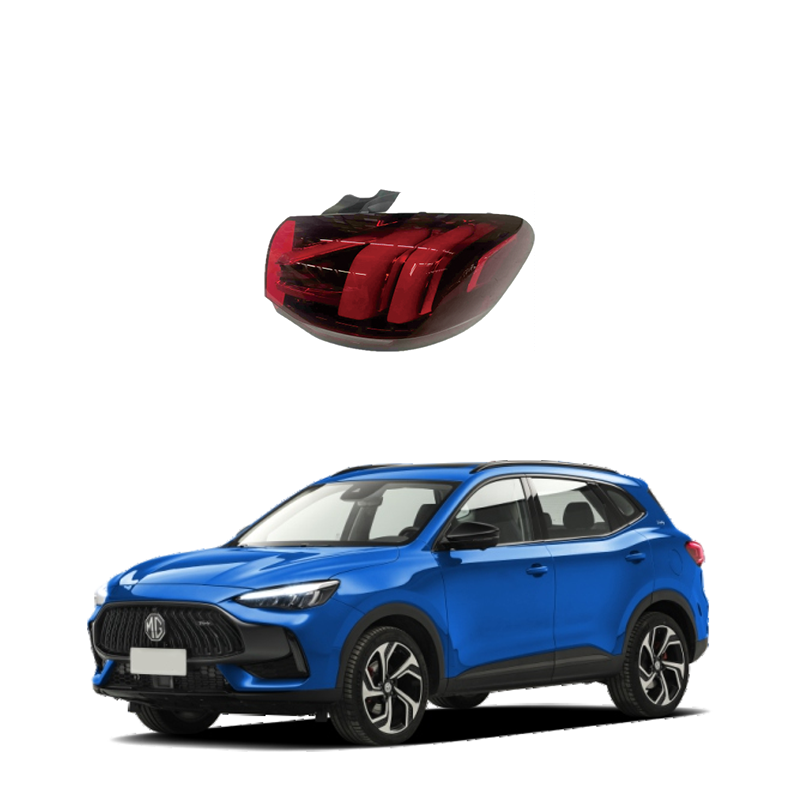
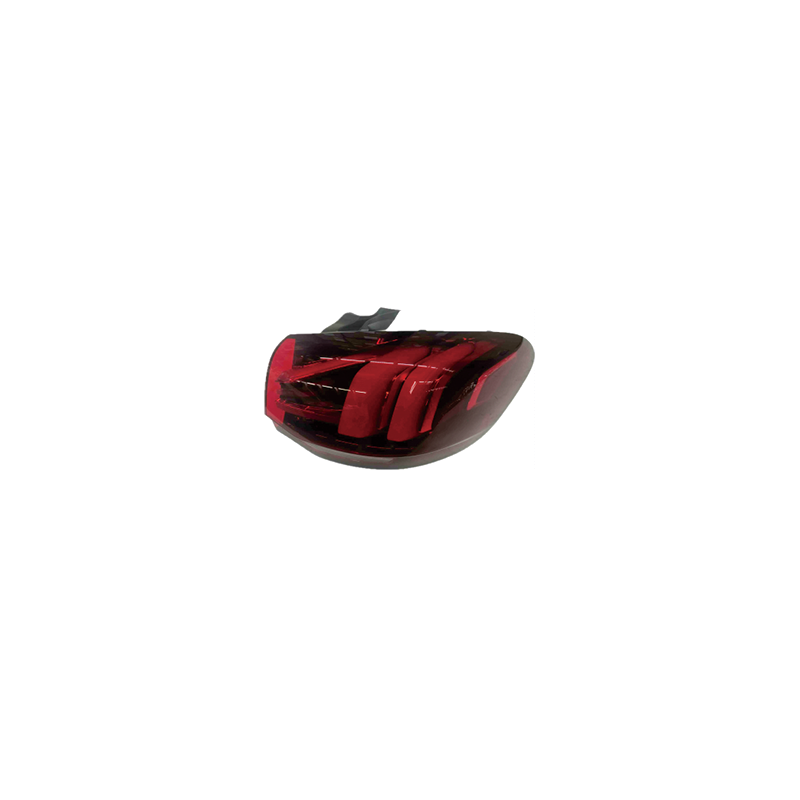
Car Rear-View Lights: The Secret Guardians of Road Safety
In the lighting system of a car, rear-view lights, although not as eye-catching as headlights or brake lights, play an indispensable role in road safety. They are like the "secret guardians" of the vehicle, building a bridge of safe communication between the driver and surrounding traffic participants in specific scenarios.
The diverse functions of car rear-view lights
Auxiliary lighting, expanding the field of vision One of the core functions of rear-view lights is to provide auxiliary lighting. In low-light conditions at night or during vehicle reversing, turning, or slow driving in narrow sections, rear-view lights can supplement light to the rear and side areas of the vehicle, helping the driver clearly observe the blind zone road conditions. For example, when reversing in a dim parking lot, rear-view lights can illuminate the obstacles on the vehicle's side, effectively preventing accidents caused by collision. For rural road sections with insufficient road lighting conditions, the auxiliary lighting function of rear-view lights becomes even more valuable, allowing the driver to be fully aware of the surrounding environment in complex road conditions.
Direction indication, conveying driving intentions As part of the vehicle's signaling system, rear-view lights have a direction indication function. When the driver turns on the turn signal to prepare for a turn or lane change, the corresponding rear-view light on the same side will flash simultaneously, clearly conveying the vehicle's driving direction to vehicles and pedestrians behind and on the side. This multiple signal transmission can significantly reduce the risk of accidents caused by misjudgment of driving intentions by surrounding traffic participants. In urban road traffic, the flashing of rear-view lights is like a "dynamic language" emitted by the vehicle, allowing other drivers to react in advance and maintain traffic order.
Warning and reminder, enhancing safety protection When reversing or when the vehicle is driving at a low speed, the illumination of rear-view lights can have a significant warning effect on vehicles coming from behind and pedestrians. Especially in crowded areas such as residential roads and vegetable markets, the light signal of rear-view lights can effectively attract the attention of surrounding people, reminding them to avoid in time, preventing collision accidents caused by driver's blind area or pedestrians' negligence. In adverse weather conditions such as heavy rain or thick fog, the light penetration of rear-view lights can enhance the visibility of the vehicle, allowing vehicles behind to detect the presence of the vehicle in front at a greater distance, maintaining a safe distance.
Common faults and troubleshooting methods of car rear-view lights
Light bulb damage: The most common "minor problem" Light bulb damage is one of the most common faults of rear-view lights. Due to the existence of a certain lifespan for the light bulb, the filament will naturally age and break over time; at the same time, the frequent vibrations during vehicle operation and unstable circuit voltage can also accelerate the damage of the light bulb. When the fault occurs, the rear-view light may be completely non-functional or flicker. During the troubleshooting process, the owner can open the rear of the vehicle's lamp cover to observe whether the light bulb is black or the filament is clearly broken. If it is confirmed that the light bulb is damaged, simply replacing it with a new light bulb of the same model and power can solve the problem.
Fuse melting: The "safety warning" of the circuit The power supply line of rear-view lights is equipped with a fuse to protect the circuit from damage caused by overcurrent. When the rear-view light circuit has a short circuit, an excessively powered light bulb is connected, or the fuse ages due to long-term use, it may cause the fuse to melt, making the rear-view light lose power and unable to light up. The owner can check the fuse box in the vehicle and, by referring to the fuse distribution map inside the box cover, find the fuse labeled "rear-view light" or the corresponding identifier, to check if the metal wire is broken. If the fuse melts, replacing it with a fuse of the same specification can restore power supply. However, be careful, if the fuse melts again after replacement, further troubleshooting for a short circuit in the circuit is necessary to avoid blindly repeating the replacement.
Line faults: Hidden "safety hazards" During long-term vehicle operation, frequent opening and closing of the trunk and vibrations caused by bumpy road conditions may cause the connector plug of the rear-view light in the wiring harness to loosen; And aging wiring and external scratches may cause the insulation layer of the wires to break, leading to short circuits or power outages. Moreover, if the vehicle is constantly exposed to damp and dusty environments, the metal connectors are prone to oxidation, hindering the normal transmission of current. When troubleshooting wiring issues, car owners should focus on checking the connection points between the tail lights and the vehicle body, as well as the corners of the trunk compartment, which are prone to wear and tear. They should also check whether the plugs are secure and if the wiring is damaged. If any wiring problems are identified, minor looseness can be tightened, and damaged wiring can be insulated repaired or replaced with a new wiring harness.
Control switch or module failure: In complex "system issues", the rear corner lights of some models are managed by control switches or vehicle control modules. When the control switch becomes stuck, malfunctioning, or the program of the vehicle control module is abnormal, it can cause disorder in the control signals for the rear corner lights, resulting in the lights not turning on, constantly lighting up, or flashing abnormally. For such faults, car owners can first check if the control switch operates normally. If there is obvious damage to the switch, they can try replacing it with a new one. If they suspect a fault with the vehicle control module, they need to use a professional vehicle diagnostic tool to read the fault codes and perform program repair or module replacement. Such faults are usually recommended to be handled by professional repair personnel.
Although the rear corner lights are small, they play an irreplaceable role in vehicle safety. During daily driving, car owners should regularly check the working condition of the rear corner lights. Once a fault is detected, it should be promptly diagnosed and repaired to keep this "hidden guardian" in good working condition and provide protection for every journey.
If you want to know more, keep reading the other articles on this site!
Please call us if you need such products.
Zhuo Meng Shanghai Auto Co., Ltd. is committed to selling MG&MAXUS auto parts welcome to buy.