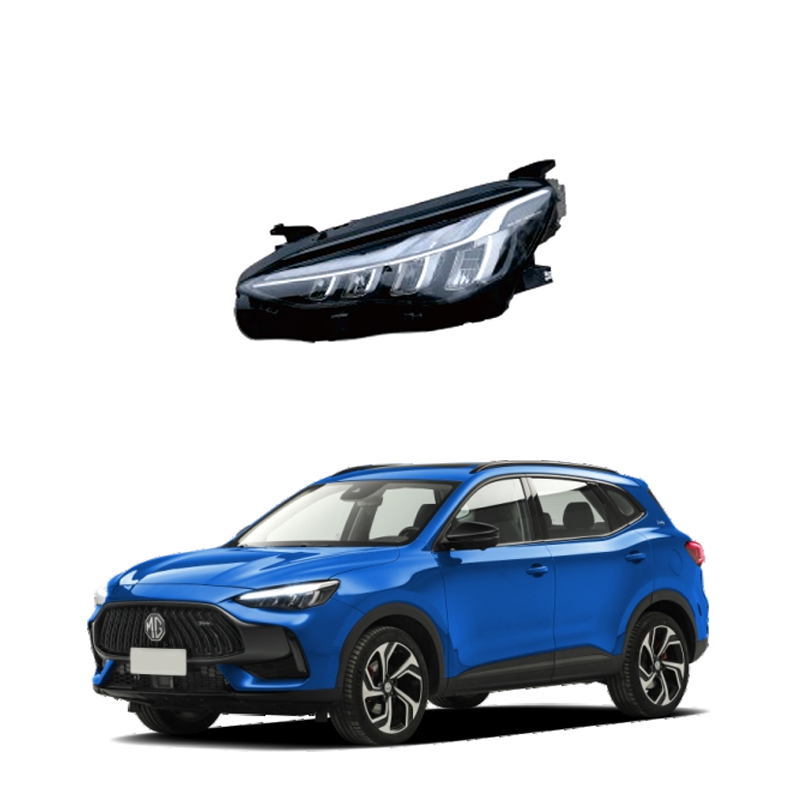
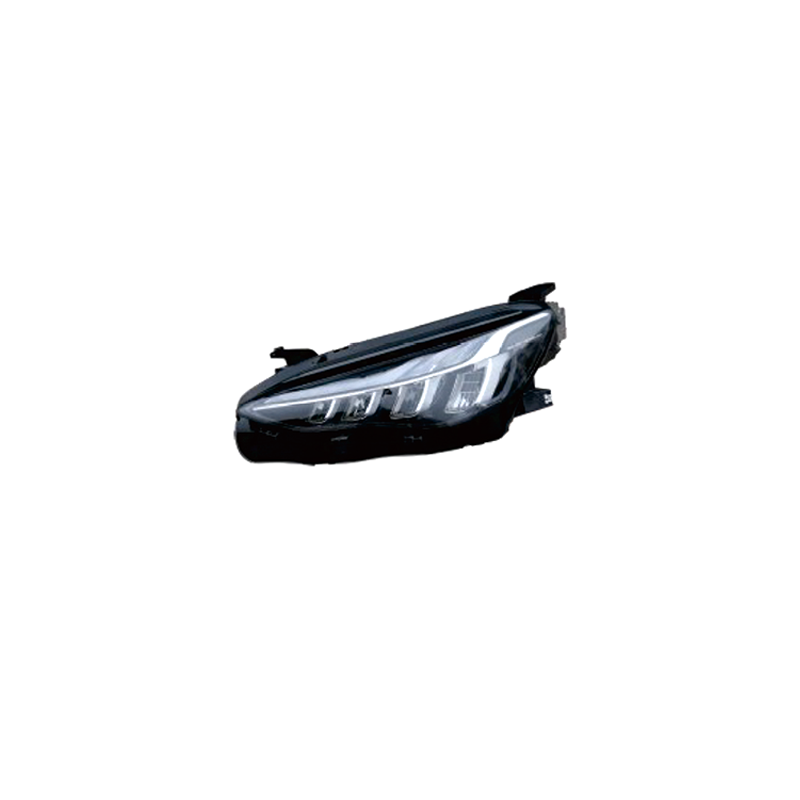
Headlights of a car: The "eyes" for driving safety and troubleshooting
Among the numerous components of a car, the headlights are like the "eyes" of the vehicle, being the key equipment for ensuring driving safety. They not only illuminate the road ahead for the driver during night or bad weather, but also convey driving signals to other road users through different lighting modes. Their importance is self-evident.
The core function of car headlights
The primary function of headlights is to provide illumination for the driver, ensuring clear visibility of the road ahead in low visibility conditions such as at night, dusk, or in rainy and foggy weather. The low-angle near-light beams have a range of typically 30 - 50 meters, focusing on the close area in front of the vehicle and not causing glare to oncoming vehicle drivers, making them ideal for use on urban roads, when overtaking, or when following closely. Daytime running lights can also enhance vehicle visibility during the day, making it easier for other road users to notice the vehicle and preventing accidents.
Signal transmission, warning and avoidance In addition to illumination, headlights also have an important warning function. By switching between different lighting modes, drivers can convey their driving intentions to other vehicles and pedestrians. For example, when overtaking at night, alternating between high and low beams can alert the preceding vehicle. When a vehicle breaks down and temporarily stops, turning on the hazard lights (in some models, this is achieved by rapidly flashing the headlights) can alert other vehicles and pedestrians, indicating that the vehicle is in an abnormal state and asking them to be cautious. In rainy or foggy weather, using the headlights in conjunction with fog lights can further enhance visibility and reduce the probability of accidents.
Compliance with regulations, safety guarantee In many regions, traffic regulations clearly stipulate that headlights must be turned on in night or low visibility conditions. This is not only to ensure the driver's own driving safety but also an important measure to maintain traffic order. Adhering to the regulations for using lights can reduce accidents caused by poor visibility and create a safe driving environment.
Common faults and troubleshooting methods of car headlights
Although headlights have been continuously optimized in design and manufacturing, various faults may still occur during long-term use, affecting driving safety. Here are some common faults and troubleshooting methods:
Headlights completely not working This is a relatively common fault. The main reasons include: first, the bulb may be damaged, whether it is a halogen bulb (typically lasting 2 - 3 years) or an LED bulb, which may be due to filament breakage or internal chip failure. If this occurs, check the appearance of the bulb; if the filament is broken or the bulb is black, replace it with a bulb of the same specification. Secondly, the fuse may have blown, which can also cause the headlights to not work. The headlights circuit has fuses for protection, and when the current is too high (such as using a high-power bulb for modification), the fuse will blow to protect the circuit. At this time, find the fuse box of the vehicle and look up the specifications in the manual to replace the fuse with the same specification. Additionally, wiring faults (such as loose plugs, aging and short-circuiting wires), switch or relay faults may also cause the headlights to not work. If you cannot troubleshoot it yourself, it is recommended to seek professional repair services.
Headlights flickering on and off This fault is usually related to poor contact. First, check if the bulb base is oxidized or rusted; if so, clean the oxide or replace the bulb; at the same time, check if the fuse is loose or oxidized; if so, replace the fuse for testing. If the vehicle is equipped with automatic headlights, the system may automatically switch the light mode due to incorrect judgment by the light sensor, causing people to mistakenly believe there is a fault. In such cases, you can switch to the manual mode to observe if the lights return to normal. Additionally, aging wiring and unstable voltage (such as a depleted battery or abnormal generator) can also cause fluctuations in the lighting supply, resulting in intermittent lighting. You can use a multimeter to measure the static voltage of the battery (should be ≥ 12.5V) and the output voltage of the generator (which should stabilize at 13.8 - 14.8V) after starting. If the voltage is abnormal, you need to promptly repair the power supply system.
Insufficient headlights brightness can affect the driver's vision and increase the risk of night driving. Possible causes include bulb aging. As the vehicle is used, the brightness of the bulb gradually decreases. Generally, it is recommended to replace the bulb every 50,000 kilometers or after 2 years of use. Additionally, dirt on the surface of the lamp cover can also affect the lighting effect. During driving, the lamp cover is prone to splashing water or mud, and if not cleaned in time, the lighting efficiency will decrease by 50%. Therefore, it is necessary to clean the lamp cover regularly. There may also be faults in the power supply system, such as insufficient battery voltage or increased line resistance, which can lead to insufficient power supply to the bulb and reduced brightness. You need to check the power supply system to ensure stable voltage and unobstructed lines.
Key points for regular maintenance of front headlights
To extend the lifespan of the front headlights and reduce the occurrence of faults, regular maintenance is essential. First, regularly check the working condition of the headlights, including whether the near, far, turn, and fog lights are properly illuminated, and whether the light beam direction is deviated. Secondly, keep the lamp cover clean and clean it regularly with a dedicated cleaner to avoid the influence of stains on the lighting effect. Additionally, according to the requirements of the vehicle's user manual, replace the bulb regularly. Do not wait until the bulb is completely damaged before replacing it to ensure that the headlights always maintain good lighting performance. For vehicles equipped with automatic headlights, you also need to regularly check if the light sensor is working properly to avoid incorrect operation of the lights due to sensor failure.
The front headlights of a car are an important guarantee for driving safety. Understanding their functions, common faults, and troubleshooting methods, and doing regular maintenance can keep these "eyes" always bright, ensuring our travel safety.
If you want to know more, keep reading the other articles on this site!
Please call us if you need such products.
Zhuo Meng Shanghai Auto Co., Ltd. is committed to selling MG&MAXUS auto parts welcome to buy.