Guardian of Driving and Riding Safety - The Function and Fault Analysis of the Front Door Anti-Collision Plate of a Car
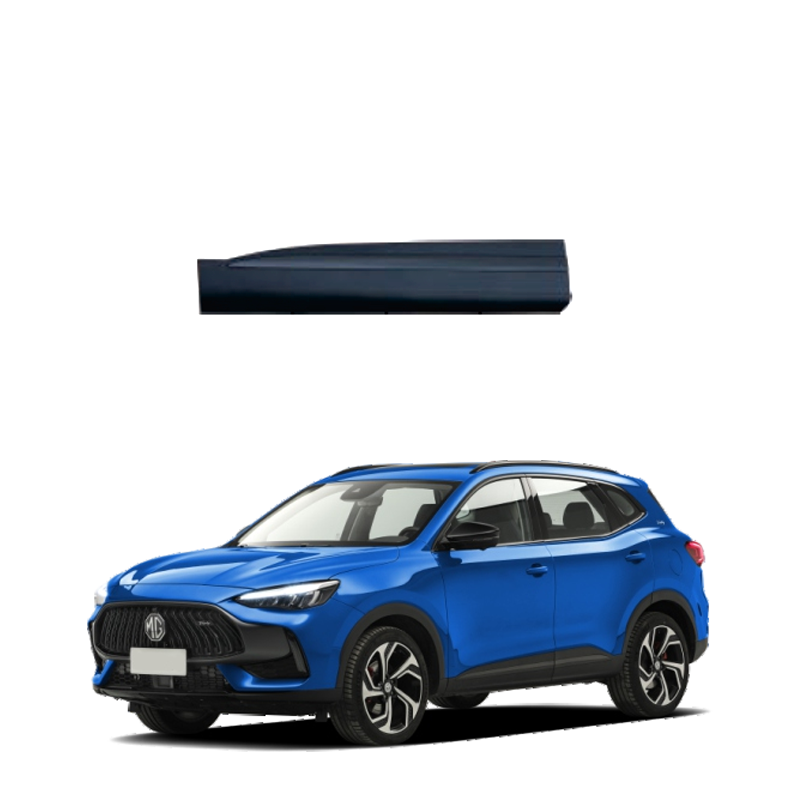
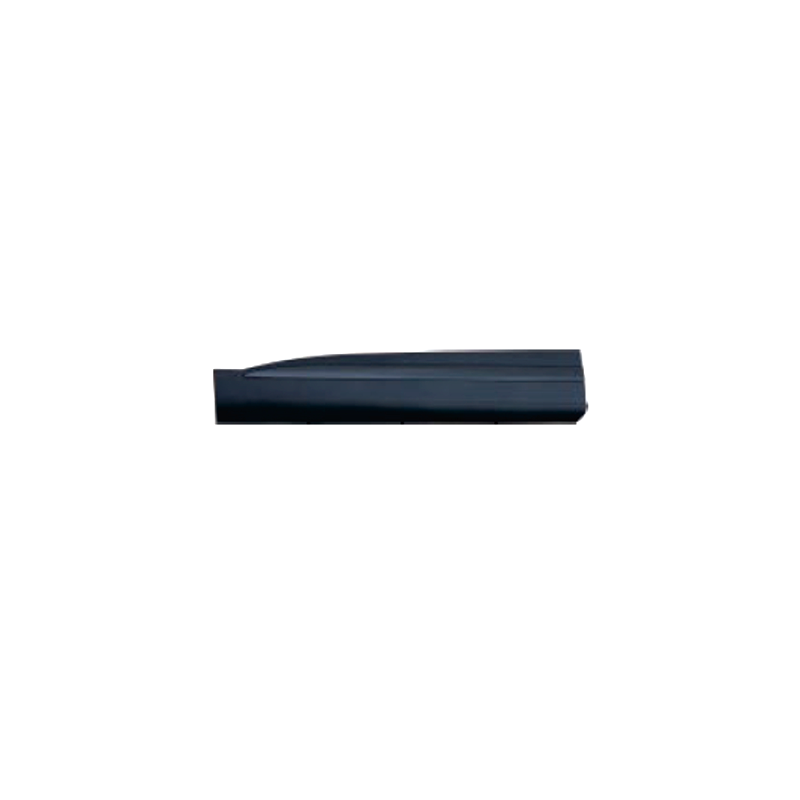
In the passive safety system of a car, the front door anti-collision plate is an easily overlooked but crucial part. It is like a steel guardian hidden inside the car door, silently building a side safety barrier for the drivers and passengers. Understanding its function and common faults is of great significance for ensuring driving safety.
The core function of the front door anti-collision plate
Withstand side collisions and ensure passenger safety When a vehicle encounters a side collision, the front door anti-collision plate will first bear and disperse the impact force. It can effectively prevent the door from deforming excessively and invading the passenger cabin, avoiding direct squeezing injuries to the drivers and passengers. In severe side collision accidents, the sturdy anti-collision plate can significantly reduce the risk of injury to passengers and even save lives.
Transmit and distribute impact energy The front door anti-collision plate, through reasonable structural design, transfers the huge energy generated by the side impact to the more sturdy parts such as the vehicle body crossbeam, achieving energy dispersion and absorption. This energy conduction mechanism can reduce local stress concentration and prevent the door from breaking or falling off due to uneven force distribution.
Maintain the structural integrity of the door After a collision, a complete door structure is crucial for the drivers and passengers to escape safely. The front door anti-collision plate can maintain the basic shape of the door during the collision, ensuring that the door can still open normally after the accident, creating favorable conditions for passengers to evacuate and rescue personnel to rescue.
Assist in enhancing the overall rigidity of the vehicle As a part of the vehicle body structure, the front door anti-collision plate works in conjunction with the door frame, vehicle body crossbeam, and other components to jointly enhance the overall rigidity of the vehicle. This not only strengthens the vehicle's resistance to deformation in collisions but also improves the handling stability during vehicle operation.
Common faults and causes of the front door anti-collision plate
Structural deformation After a side collision or scrape accident of the vehicle, the anti-collision plate may experience deformation problems such as bending and denting. Even a minor collision may cause changes in the stress distribution within the anti-collision plate, weakening its subsequent protective performance. In addition, over time, cumulative effects such as vehicle vibration and bumping may also cause slight deformation of the anti-collision plate, gradually affecting its function.
Material rusting The anti-collision plate is made of ordinary steel. If the sealing performance of the car door is poor, rainwater, washing water, etc. may invade the interior of the car door, causing rust on the anti-collision plate. Rusting will gradually erode the anti-collision plate material, reducing its strength and toughness, and in severe cases, may cause the anti-collision plate to break, completely losing its protective capability.
Connection loosening The anti-collision plate is connected to the door frame through bolts or welding. As the vehicle ages, the connecting bolts may become loose due to vibration, and the welding parts may also experience weld detachment. Loose connections will prevent the anti-collision plate from effectively transmitting and dispersing energy during a collision, significantly reducing its protective efficiency.
Performance degradation Even without obvious appearance damage, long-term use will cause fatigue aging of the anti-collision plate material, gradually reducing its impact resistance. Especially in extreme environments such as cold and hot, the material performance will deteriorate more rapidly, unable to provide reliable safety protection for the drivers and passengers.
Detection and maintenance of front door anti-collision plate faults
Regular inspection It is recommended to conduct a special inspection of the front door anti-collision plate during vehicle maintenance. By observing whether there are collision marks on the car door exterior and whether it opens and closes smoothly, a preliminary judgment of the anti-collision plate condition can be made. If conditions permit, professional equipment can be used to detect the internal structure of the car door to promptly identify potential faults.
Timely repair and replacement Once problems such as deformation, rusting, or loose connections are detected, it is necessary to go to a professional repair facility for repair or replacement. For anti-collision plates with minor deformation, they can be restored to their structural performance through reshaping; if the rusting or deformation is severe, a completely new anti-collision plate must be replaced to ensure its protective capability meets the standard.
Emphasize daily protection During daily use, pay attention to protecting the sealing rubber strips of the car door to prevent rainwater, dust, etc. from invading the interior of the car door. Avoid keeping vehicles in damp and corrosive environments for long periods, which can slow down the rusting process of the anti-collision plates. At the same time, drive carefully to reduce the probability of collision accidents, and protect the anti-collision plates from damage at the source.
Although the front door anti-collision plate is hidden inside the door, it bears the responsibility of safeguarding the safety of passengers and drivers. Only by fully understanding its function and attaching importance to fault detection and maintenance can this "invisible defense line" always perform its due role and ensure safety for every journey.
If you want to know more, keep reading the other articles on this site!
Please call us if you need such products.
Zhuo Meng Shanghai Auto Co., Ltd. is committed to selling MG&MAXUS auto parts welcome to buy.