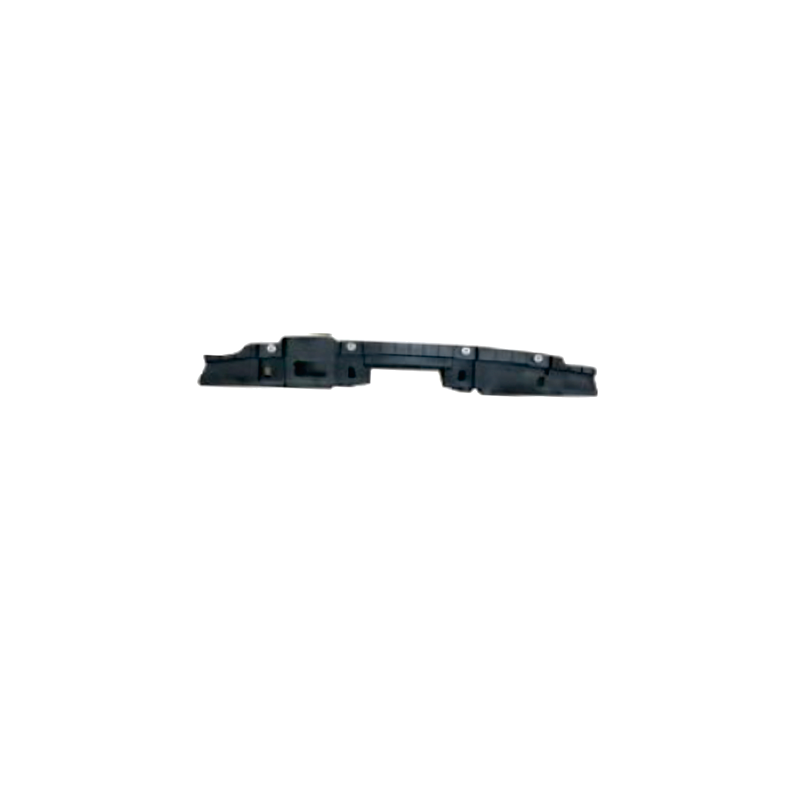
The middle grille base of a car: A crucial component safeguarding the vehicle's "face" and performance
Among the numerous components of a car, the middle grille base may seem insignificant, but it is actually a key role in maintaining the integrity of the vehicle's appearance and ensuring the normal operation of core components. It is like the "invisible guardian" of the vehicle, silently undertaking the responsibilities of support, protection, and coordination. At the same time, it also faces various failure risks, affecting the overall performance and appearance of the vehicle.
The core functions of the car's middle grille base
Support and fixation: Stabilizing the vehicle's "face"
The middle grille is the iconic component of the vehicle's front end, not only functioning as an air circulation device but also embodying the brand image and appearance level of the vehicle. The middle grille base is the fundamental structure that supports this "face", connecting the middle grille with the vehicle's body frame through precise fasteners, bolts, and screws. During vehicle operation, it faces external forces such as high-speed airflow impact, road debris splashing, and daily scratches. The middle grille base can provide stable support for the middle grille, preventing it from loosening, shifting, or falling off, ensuring the integrity and appearance of the vehicle's front end. At the same time, a stable middle grille base can avoid abnormal noises caused by the shaking of the middle grille, enhancing the comfort of driving and passengers.
Protection and flow regulation: Ensuring the safety of core components
In addition to the supporting role, the middle grille base also plays an important role in the vehicle's cooling and protection systems. It works in coordination with the middle grille, front bumper, and other components to form an orderly airflow channel, guiding external air smoothly to the engine compartment. During engine operation, a large amount of heat is generated, and the middle grille base optimizes the airflow direction to ensure that air can efficiently pass through the radiator, condenser, and other cooling components, removing excess heat and maintaining the engine within an appropriate operating temperature range. Moreover, the middle grille base can also provide protection for the core components in the engine compartment, blocking larger debris, insects, etc., from entering the compartment, reducing damage to components such as the radiator and fan, and extending their lifespan.
Coordination and adaptation: Achieving perfect fit between components
With the continuous refinement of car design, the middle grille base also assumes the function of coordinating the adaptation of various components. It needs to precisely align with surrounding components such as headlights, front bumpers, and fenders to ensure uniform gaps and natural transitions between components, enhancing the assembly accuracy and appearance quality of the vehicle as a whole. In some vehicles with active air intake grilles, the middle grille base also needs to work in coordination with the grille's driving mechanism, sensors, etc., adjusting the opening angle of the grille automatically based on the vehicle's driving state and engine temperature, optimizing aerodynamic performance and fuel economy.
Common faults and impacts of the car's middle grille base
Cracking and deformation of the base: Threatening component stability
The middle grille base is mostly made of plastic or composite materials, which are exposed to factors such as ultraviolet radiation, temperature changes, and rain erosion over a long period of time, leading to material aging and reduced toughness. When subjected to external forces such as minor rear-end collisions, scratches, or long-term bearing the weight of the middle grille and air flow impact, the base is prone to cracking and deformation. Once the base cracks, its supporting capacity will significantly decrease, and the middle grille may become loose, shift, or even fall off, not only affecting the vehicle's appearance but also posing safety hazards to surrounding vehicles or pedestrians during driving. Deformation of the base will cause uneven gap between the middle grille and surrounding components, affecting the sealing performance and aerodynamic performance of the vehicle, increasing driving resistance, and reducing fuel economy.
Damage to fasteners and connection components: Causing the middle grille to loosen
The connection between the middle grille base and the vehicle body mainly relies on fasteners such as screws and bolts. These components may be damaged due to frequent disassembly, external force pulling, or material fatigue over a long period of use. Fractured clasps and stripped bolts can cause the connection between the grille base and the vehicle body to loosen, making the grille unable to maintain a stable state. During vehicle operation, the grille will shake due to road bumps, generating abnormal sounds and affecting the driving experience. At the same time, a loose grille may be lifted by the airflow during high-speed driving, further damaging the base and connection components, and even causing a serious consequence of the grille falling off.
Dust accumulation and corrosion: Affecting component functions and lifespan
As the grille base is located at the front of the vehicle and directly contacts the external environment, it is prone to accumulate dust, sand, oil, and other debris. These debris not only affect the appearance of the base but may also enter the connection gaps between the base and the grille, as well as the vehicle body, causing clasps to get stuck and connection components to rust. Long-term dust accumulation and corrosion will gradually weaken the structural strength of the base, accelerate component aging, and shorten their service life. Moreover, corrosion may also cause the sealing between the base and the vehicle body to deteriorate, allowing rainwater and dust to enter the engine compartment, increasing the risk of core components getting damp and rusted, and affecting the overall performance of the vehicle.
Prevention and response measures for grille base faults
To extend the service life of the grille base and reduce the occurrence of faults, car owners should pay attention to the following points during daily use: First, regularly clean the grille base with a high-pressure water gun or special cleaning agents to remove surface dust and debris to avoid dust accumulation and corrosion; second, during car washing and maintenance, be careful not to forcefully disassemble the grille to prevent damage to the base and connection components; finally, when the vehicle suffers from minor scratches or collisions, promptly check if the grille base has cracked or deformed. If there are any abnormalities, repair or replace it in time.
Once a grille base fault is detected, corresponding response measures should be taken based on the severity of the fault. For minor clasps damage, new clasps can be replaced for repair; if the base cracks or deforms, it is recommended to replace the original factory parts to ensure compatibility and stability with the vehicle; for component damage caused by corrosion, in addition to replacing the damaged parts, the surrounding components should also be inspected to prevent the corrosion range from expanding.
In conclusion, although the grille base may seem ordinary, its role cannot be ignored. Understanding its core function, attaching importance to its fault risks, and taking effective prevention and response measures can ensure the integrity of the vehicle's appearance and the normal operation of core components, keeping the vehicle in the best condition.
If you want to know more, keep reading the other articles on this site!
Please call us if you need such products.
Zhuo Meng Shanghai Auto Co., Ltd. is committed to selling MG&MAXUS auto parts welcome to buy.