What is the top column of an automobile valve?
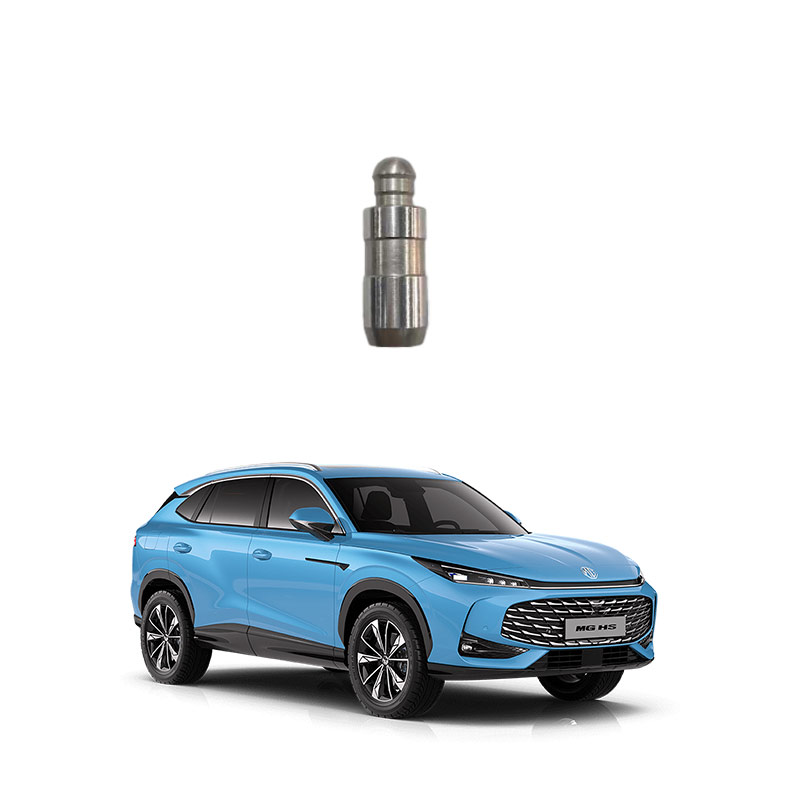
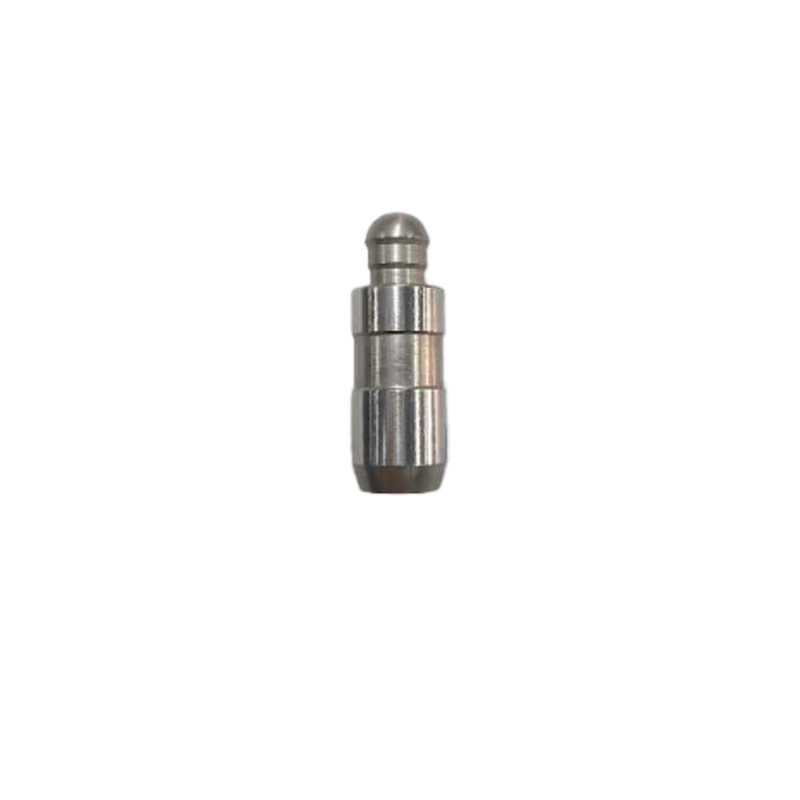
The valve stem of an automobile, often referred to as the valve tappet or valve tapple, is a crucial component in the engine's valve train system. It is primarily responsible for converting the rotational motion of the camshaft into the up-and-down linear motion of the valves, thereby precisely controlling the opening and closing of the valves.
Basic Function:
As the follower of the cam, the valve tappet directly receives the force from the cam profile and transmits it to the pushrod or the valve.
During the transmission of motion, it also needs to withstand the lateral force exerted by the cam and transfer these forces to the cylinder head or the engine block to ensure the stable operation of the valve train.
Main Classification:
Mechanical Tappet: The structure is relatively simple and the cost is low, but it may produce significant noise during operation and requires manual adjustment of the valve clearance to compensate for thermal expansion or wear.
Hydraulic Tappet: It uses oil pressure internally for automatic adjustment, enabling the valve clearance to be zero, thereby significantly reducing engine noise and making operation smoother. However, its structure is more complex and the cost is higher.
Structural Characteristics and Materials:
To reduce weight, the valve tappet in the valve top-mounted system is usually designed as a cylindrical structure.
Roller Tappet is a common variant, which reduces friction and lateral force through a roller structure, improving efficiency, but the structure is more complex and is mostly used in high-load conditions such as large-displacement diesel engines.
Common materials include nickel-chromium alloy cast iron, chilled alloy cast iron, or high-strength alloy steel. The friction surface requires heat treatment and precise grinding to enhance wear resistance. Modern technology also employs surface treatment processes such as DLC (Diamond-like Carbon) coating to further reduce the friction coefficient.
Importance and Maintenance:
The performance of the valve tappet directly affects the engine's power output, fuel economy, and emission levels. If there are faults such as wear, deformation, or sticking, it will cause abnormal valve opening and closing, leading to engine vibrations, power loss, and increased fuel consumption.
To extend its service life, regular oil changes and engine maintenance are necessary to ensure good lubrication conditions.
The valve tappet (commonly referred to as the valve tappet) is a key component in the engine's valve train system. Its main function is to convert the rotational motion of the camshaft into the up-and-down linear motion of the valves, thereby controlling the opening and closing of the intake and exhaust valves, ensuring the engine completes the four strokes of intake, compression, power generation, and exhaust.
Specific functions can be divided into the following points:
Transmitting motion and force: Directly receives the thrust from the camshaft and transmits it to the pushrod or the valve, driving the valve to close at the predetermined time.
Withstanding lateral force: During the rotation of the cam, lateral force is generated, and the valve tappet needs to transfer this force to the cylinder head or the engine block to ensure stable movement.
Automatically adjusting valve clearance (hydraulic type): Modern engines widely use hydraulic tappets, which are filled with oil and can automatically compensate for the valve clearance due to thermal expansion or wear, achieving "zero clearance" operation, thereby significantly reducing engine noise and improving operational smoothness.
Reducing maintenance requirements: Hydraulic tappets do not require manual adjustment of the valve clearance, simplifying the engine maintenance process.
If the valve tappet (especially hydraulic type) fails, such as wear, oil leakage, or air entering internally, it will cause irregular "clattering" noises (more obvious in cold engines) and may lead to power loss, increased fuel consumption, or emission超标 problems.
Common causes include insufficient oil pressure, oil level that is too high or too low, or mismatched oil viscosity.
Therefore, regular oil changes and maintaining a normal lubrication system are important measures to extend the service life of the valve tappet and ensure engine performance.
Please provide the text that you would like me to translate accurately
If you want to know more, keep reading the other articles on this site!
Please call us if you need such products.
Zhuo Meng Shanghai Auto Co., Ltd. is committed to selling MG&MAXUS auto parts welcome to buy.