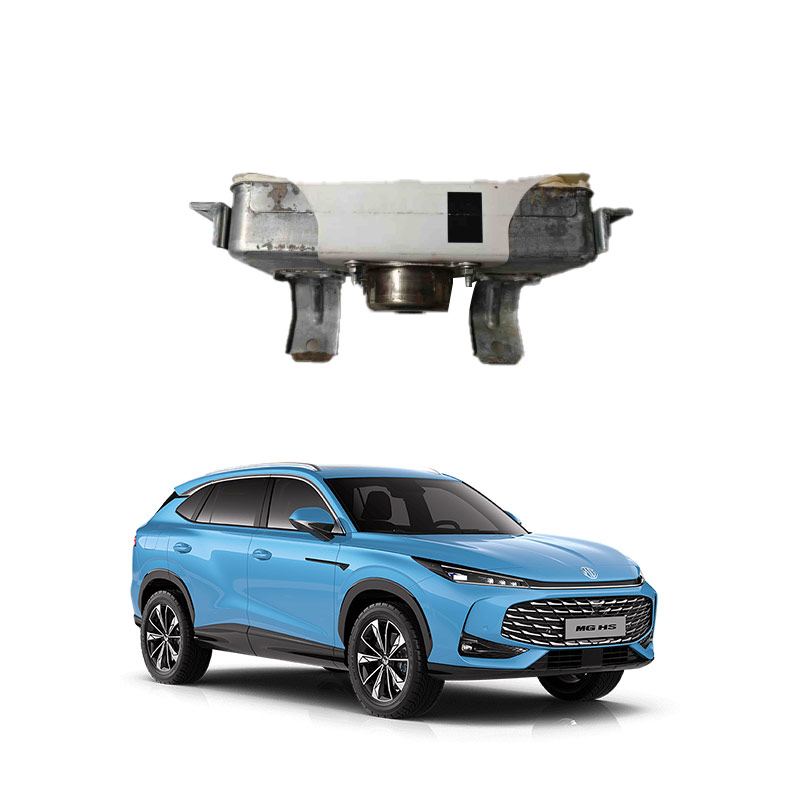
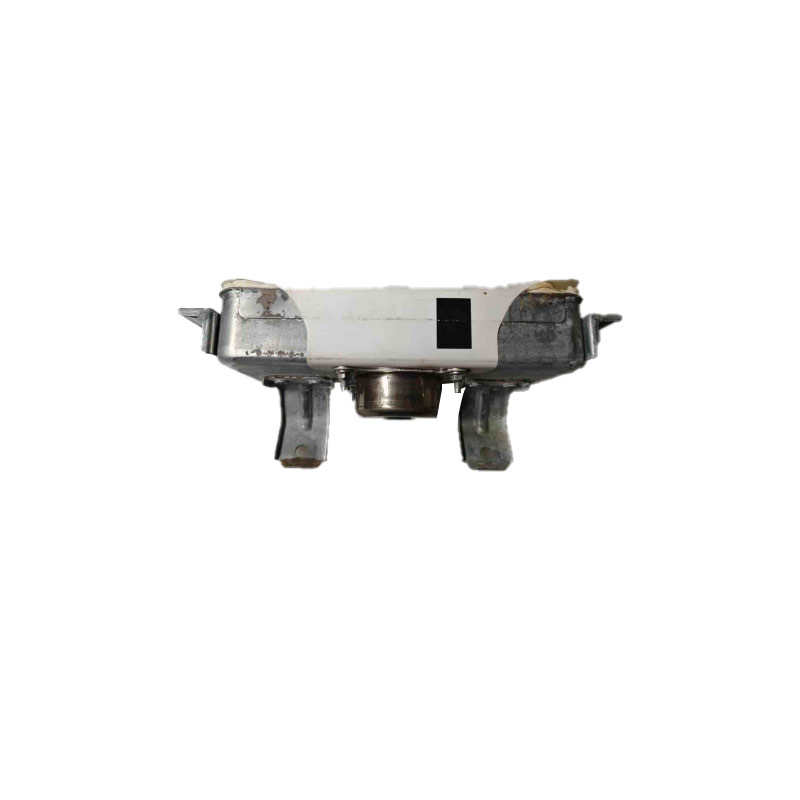
What is the automotive supplemental airbag?
The secondary airbag of a car usually refers to the passenger seat airbag, which is an important component of the vehicle's passive safety system and is specifically designed to protect the occupants in the passenger seat.
Basic information of the passenger seat airbag
Installation location: It is located inside the dashboard in front of the passenger seat, usually in the area above the glove compartment.
Core function: In the event of a moderate to severe frontal collision, the airbag inflates rapidly within approximately 30 milliseconds, forming a cushioning air cushion between the occupant and the hard objects inside the vehicle (such as the dashboard, windshield), effectively absorbing the impact energy and reducing the risk of head and chest injuries.
Working principle:
Collision sensing: Acceleration sensors in the vehicle's front section detect a deceleration exceeding a set threshold (typically ≥ 25 km/h for a frontal collision).
Signal judgment: The safety control unit (ACU) determines the direction and intensity of the collision within milliseconds and decides whether to detonate.
Detonation inflation: The gas generator ignites solid propellants (such as sodium azide), rapidly generating a large amount of nitrogen gas to fill the airbag and break through the preset tear line of the dashboard.
Buffer and energy absorption: When the occupant's body rushes forward, the airbag's surface vent holes slowly release air, continuously absorbing the impact force and preventing a rebound.
Completion cycle: The entire process takes approximately 100 milliseconds, and after the airbag inflates, it needs to be replaced as a whole.
Important addition: Passenger seat cushion type airbag
In recent years, some models have also equipped a passenger seat cushion type airbag, which is a new type of safety device:
Installation location: It is located in the front part of the passenger seat cushion.
Unique function: It does not provide the traditional buffering function but rather restricts the displacement of the passenger's lower limbs. In a collision, it prevents passengers from sliding forward due to inertia, avoiding leg impacts on the glove compartment and other components, thereby enhancing the effectiveness of seat belts and reducing leg injuries.
Collaborative effect: It works in conjunction with the traditional dashboard airbag to provide comprehensive protection for the occupant's upper body and lower limbs.
Key safety tip
Must be used in conjunction with seat belts: The airbag is an "auxiliary restraint system" (SRS) and is designed to work in conjunction with seat belts. If seat belts are not fastened, the high-speed impact of the airbag when it inflates itself may cause serious injuries.
Not a universal protection: The airbag is only effective for frontal or certain angles of collisions. It has limited protection for side, rear-end, or rollover accidents and relies on side airbags, curtain airbags, and other systems.
Replacement requirements: Once the airbag inflates, it must be replaced as a whole by a professional institution, and cannot be reused.
In summary, the secondary airbag of a car mainly refers to the passenger seat airbag, which is a key device for protecting occupants' safety, but its effectiveness depends entirely on the correct coordination with seat belts.
The secondary airbag of a car usually refers to the passenger seat airbag, whose main function is to inflate rapidly upon collision to form a cushioning air cushion, protecting the occupants in the passenger seat's head and chest, and reducing the risk of head and chest injuries caused by secondary collisions with interior components (such as the dashboard, windshield).
Core protection function: In a severe frontal collision, the vehicle's front part will deform severely, and the occupant will be pushed forward due to inertia. The passenger seat airbag inflates instantly, forming a cushion between the occupant and the interior hard objects, absorbing impact energy and effectively reducing the risk of fatal head and chest injuries.
Collaboration with seat belts: The airbag is an auxiliary restraint system (SRS) and must work in conjunction with seat belts to achieve the best protection effect. If seat belts are not fastened, the high-speed impact of the airbag when it inflates itself may cause serious injuries.
Location and triggering mechanism: This airbag is usually installed in the front of the passenger seat dashboard, above the glove compartment. When the vehicle's sensors detect sufficient intensity of the collision, they will trigger the gas generator, rapidly generating nitrogen gas to fill the airbag. In addition, some vehicles are equipped with a driver's side cushion-type airbag (or seat-bottom airbag), which is a special airbag located at the front of the seat cushion. Its function is different from that of traditional airbags. It does not mainly provide cushioning but instead inflates upwards during a collision, pressing the passenger's lower body downward towards the seat, preventing excessive forward sliding of the passenger during the collision, thereby optimizing the restraint effect of the seat belt and reducing injuries to the legs and pelvis.
If you want to know more, keep reading the other articles on this site!
Please call us if you need such products.
Zhuo Meng Shanghai Auto Co., Ltd. is committed to selling MG&MAXUS auto parts welcome to buy.