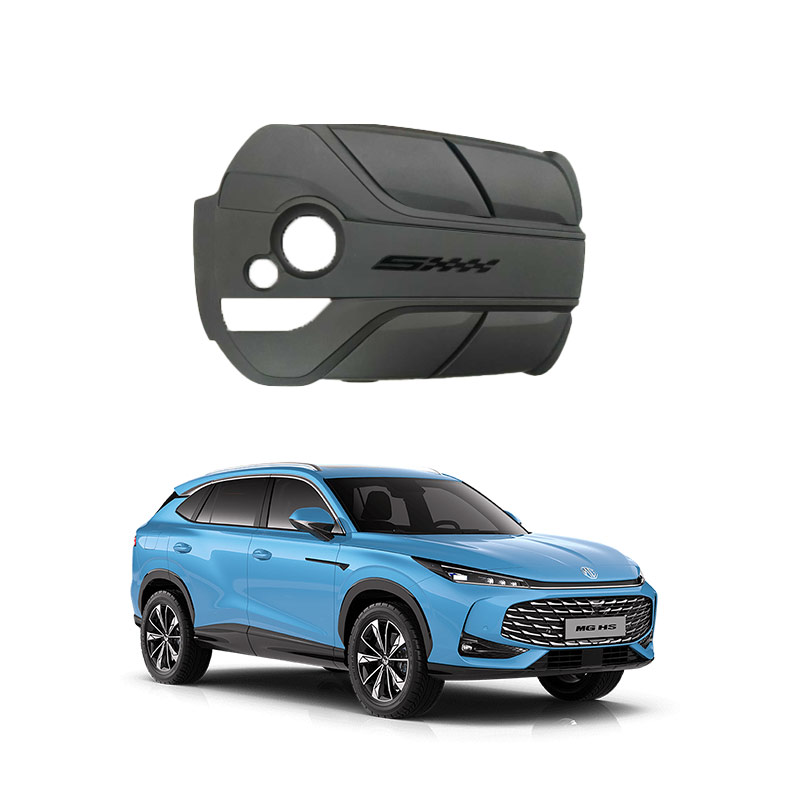
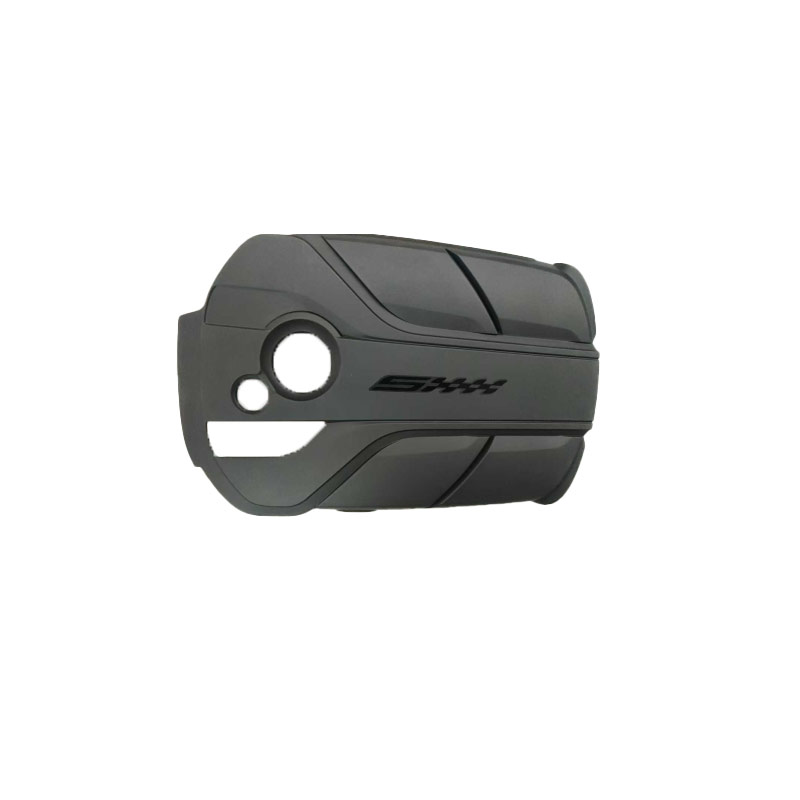
What is the car engine hood?
The car engine hood, also known as the engine cover, the bonnet, or the fairing, is an external panel covering the engine compartment of a car. It is typically composed of an outer panel, an inner panel, and a middle insulation material. The inner panel is often in a frame-like form to enhance rigidity.
The main functions include:
- Protecting the engine from external environmental damage (such as flying debris, rain, and dust), isolating the heat and noise generated during operation to improve the comfort inside the vehicle, and optimizing the airflow through a duct design to reduce wind resistance;
- It also beautifies the engine compartment appearance and facilitates daily maintenance and inspection.
In terms of structural design, the engine hood is mostly designed to open backward and is equipped with a locking device to ensure driving safety; the common materials are aluminum alloys and other lightweight materials, which balance heat dissipation and weight control. The original design does not affect the normal heat dissipation of the engine.
It is necessary to install the car engine hood (the upper cover), as it can enhance aesthetics, prevent dust and noise, protect wiring, and not affect heat dissipation and safety performance.
Analysis of the necessity of installing the engine hood cover
The core value of the engine hood cover (the plastic cover on the top of the engine compartment) lies in:
- Functional advantages.
- Dust protection: blocking dust, gravel from entering the engine compartment, preventing wiring and components from corrosion, and prolonging the service life.
- Noise reduction optimization: the built-in sound-absorbing materials can reduce engine operating noise by approximately 30%, improving the interior quietness.
- Aesthetics and tidiness: hiding messy wiring, making the engine compartment more orderly, and enhancing the overall quality of the vehicle.
- No negative impact on heat dissipation and safety performance.
- Heat dissipation issue: the manufacturer has passed strict tests, and the cover does not affect the engine's heat dissipation system (original model).
- Collision safety: it is not related to the engine sinking technology (for chassis guard plates) and can reduce the head impact for pedestrians in a collision.
Applicable scenarios and precautions
- Recommended installation situations.
Original models with factory-installed covers (such as Volvo, Mercedes-Benz, etc.) can be used directly without hesitation.
Users who often drive in dusty, rainy environments or who value quietness inside the vehicle.
- Not recommended installation situations.
Non-original models:私自加装 may affect maintenance convenience (requiring the removal of clasps) and the heat dissipation has not been verified.
Extreme off-road scenarios: if chassis protection is needed (such as on sandy roads), an engine guard plate (not the cover) should be installed separately.
The engine hood cover is the core component of the car engine compartment, mainly serving the functions of protecting the engine, enhancing driving safety, optimizing aerodynamic performance, improving comfort, enhancing appearance, and facilitating maintenance. The following details these functions from six dimensions:
Protective function
- Isolating external damage: preventing rain, dust, gravel from entering the engine compartment, avoiding circuit short circuits, oil path corrosion or mechanical component rusting, and prolonging the engine's lifespan.
- Buffering collision impact: through pleated energy absorption design, absorbing approximately 15% of the impact force, reducing the risk of engine compression in the driver's cabin during an accident, and reducing maintenance costs.
Safety function
- Pedestrian protection: the pop-up design (such as some European/American models) automatically lifts 5-8 cm in a collision with pedestrians, reducing the risk of head injury by approximately 40%.
- Fire retardation: when closed, it blocks air flow, delaying the spread of fire, and providing about 30 seconds for escape.
Performance optimization
- Reducing wind resistance: the streamlined design reduces the wind resistance coefficient by 5%-8% (such as an increase in front axle pressure by 30-50 kg at a speed of 120 km/h), improving high-speed stability and saving fuel.
- Improving NVH: the built-in sound insulation layer reduces engine noise by 3-5 decibels and blocks heat above 90°C from being conducted to the paint surface.
If you want to know more, keep reading the other articles on this site!
Please call us if you need such products.
Zhuo Meng Shanghai Auto Co., Ltd. is committed to selling MG&MAXUS auto parts welcome to buy.