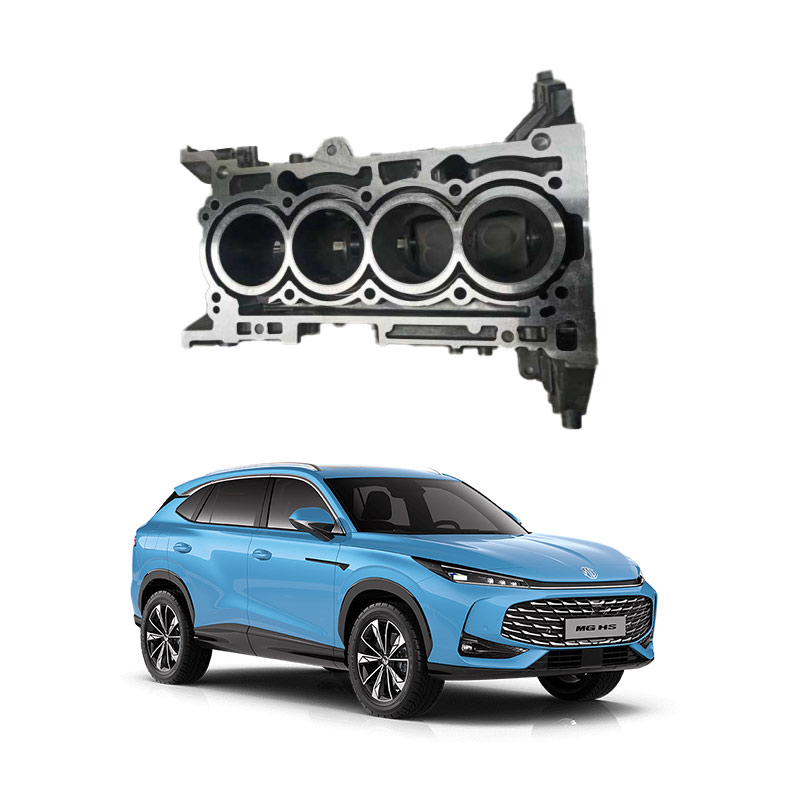
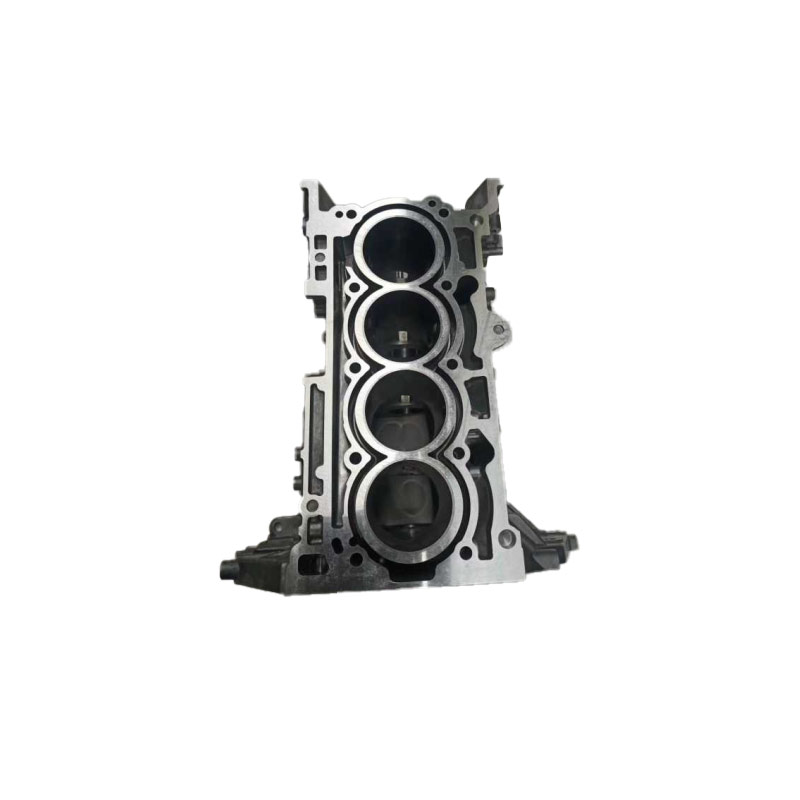
What is an automotive cylinder block?
The engine block is the core supporting structure of the engine, usually referred to as the cylinder block. As the main component of the engine, it integrates various cylinders and the crankcase into one, forming a supporting framework for installing pistons, crankshafts, and other parts.
The main functions of the cylinder block include:
- As the assembly base for all engine components, it contains cylinder bores (where the pistons move back and forth), cooling water jackets (to guide coolant circulation for heat dissipation), and oil passages (to lubricate critical components). It also works together with the cylinder head to form the combustion chamber, which withstands high temperatures and pressures and participates in converting the thermal energy from fuel combustion into mechanical energy.
- In terms of materials and structure, the cylinder block is typically made of cast iron or aluminum alloy - cast iron blocks have advantages such as high strength, resistance to high pressure and high temperature, and low cost, making them suitable for models that prioritize stability; aluminum alloy blocks are lightweight, help save energy, but have weaker wear resistance and often require cylinder liners, and are commonly used in small vehicles. Structurally, the cylinder block can be of straight-line, V-shaped, or horizontally opposed types, directly affecting the balance, power output, and vehicle handling of the engine.
The design of the cylinder block is crucial for engine performance, as the accuracy of the cylinder holes affects the sealing of the combustion chamber, reinforcing ribs enhance structural strength, and ensure the engine operates stably under high load.
The cylinder block's design and material selection have significant impacts on engine performance. Common cast iron blocks have high strength, good wear resistance, and low cost, making them suitable for models requiring durability; aluminum alloy blocks are known for their light weight, good heat conductivity, and help reduce vehicle weight, improve fuel economy, and shorten warm-up time, but they are more expensive.
Cylinder block cracks require immediate treatment to avoid serious failures. First, stop the engine operation and wait for complete cooling. Then, clean the oil stains around the crack and assess the size, depth, and location of the crack to determine the repair plan.
The choice of repair method depends on the severity of the crack, the cylinder block material (such as cast iron or aluminum alloy), and cost considerations. Common methods include:
- Welding repair: suitable for smaller and appropriately positioned cracks. Cast iron blocks use gas welding, while aluminum alloy blocks require argon arc welding or aluminum welding techniques; before the repair, thoroughly clean and grind the crack, and perform heat treatment after welding to eliminate stress. This method is cost-effective but requires high technical skills.
- Metal filler or sealant: for shallow cracks, use specialized metal fillers or sealants directly to fill the cracks; the operation is simple, does not require complex equipment, but has lower strength than welding and is suitable for temporary or light repairs. Inserting or boring the cylinder and replacing the cylinder liner: This method is used for larger or more complex position cracks. By boring the cylinder to enlarge the diameter and installing a new cylinder liner, the structure can be strengthened. It is more costly but can restore the cylinder body's strength. This method can be considered when the wet cylinder body is cracked.
Replacing the cylinder body: This is the most reliable solution when the crack is severe (such as penetrating or involving the structure). It completely solves the problem but is costly. It requires matching the original factory specifications and ensuring installation accuracy.
No matter which method is chosen, it is essential to operate by professional technicians and check the piston, piston rings, and other related components to avoid associated damage. After the repair, a pressure test should be conducted to ensure the sealing performance. Regular maintenance of the engine should be carried out to prevent the recurrence of cracks.
If you want to know more, keep reading the other articles on this site!
Please call us if you need such products.
Zhuo Meng Shanghai Auto Co., Ltd. is committed to selling MG&MAXUS auto parts welcome to buy.