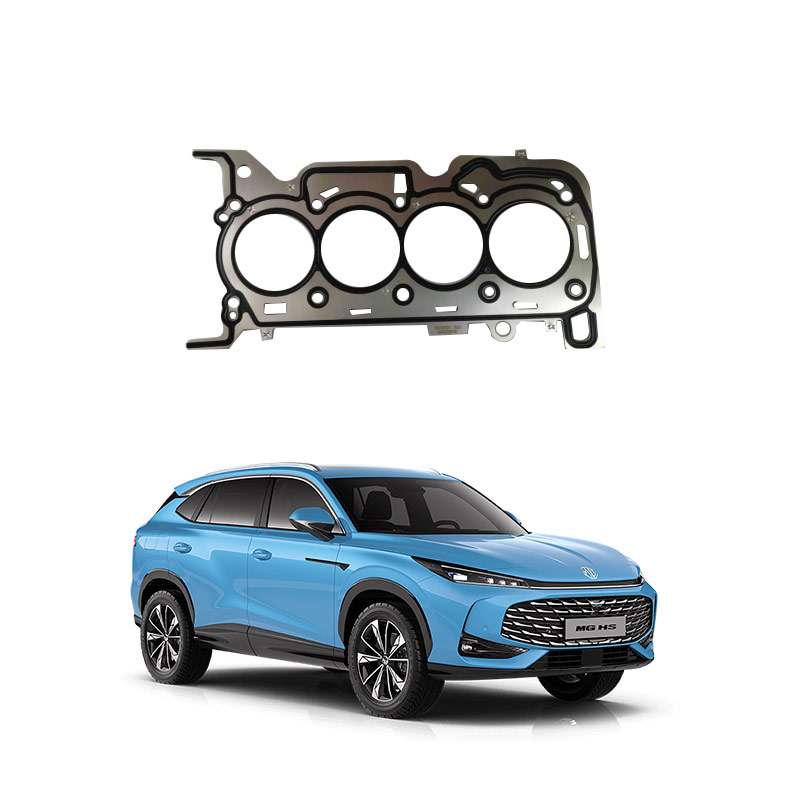
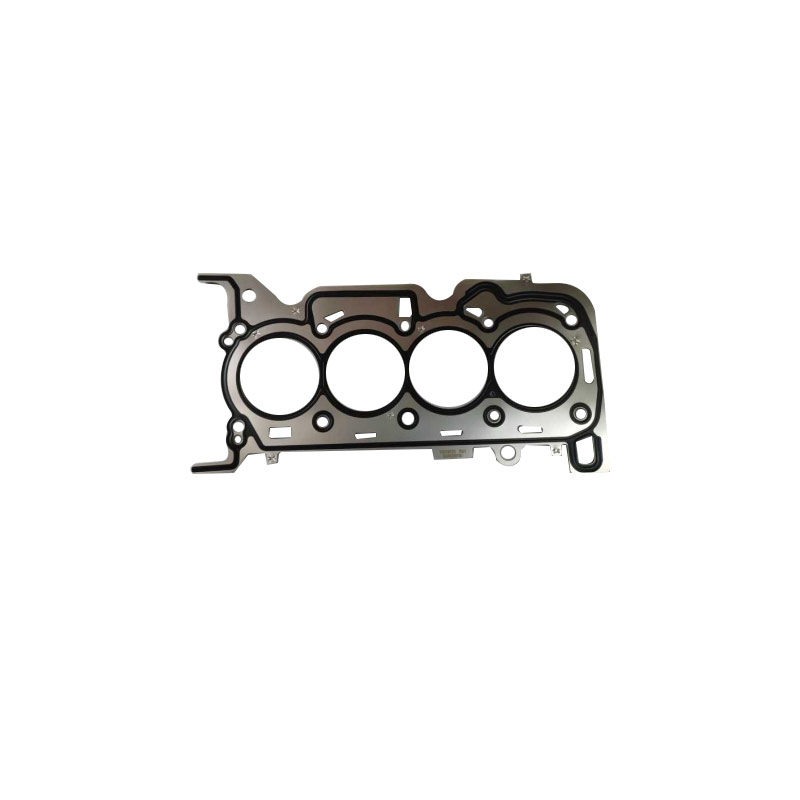
What are the consequences if the cylinder bed of a car is damaged?
Damage to the cylinder bed (cylinder gasket) of a car can compromise the engine's sealing performance, leading to power loss, cooling system failures, lubrication system contamination, and even irreversible damage such as engine cylinder pulling or bearing cap seizing, which requires immediate repair. The specific impacts include:
Power performance degradation: The engine's output power significantly decreases, manifested as difficulty in accelerating, lack of acceleration power, slow response of engine speed when the accelerator is pressed hard, and in severe cases, the vehicle cannot travel at high speeds or operate under full load.
Cooling system abnormalities: The temperature gauge rises sharply, the radiator frequently runs dry, and the water filling port continuously emits bubbles; the coolant may mix with the engine oil, causing oil droplets on the surface of the water tank, and long-term neglect can lead to overheating and dry burning of the engine.
Lubrication system failure: The engine oil becomes emulsified and turns white (oil-water mixture), abnormal consumption of the oil in the oil pan, and decreased lubrication performance, exacerbating the wear of components such as the crankshaft and camshaft.
Operational abnormal sounds and faults: Leakage of air at the cylinder head joint (a "sizzling" or "crackling" sound), partial failure of a cylinder (a "popping" sound), white smoke from the exhaust pipe (burning of coolant) or black smoke (insufficient combustion).
Potential severe damage: If not promptly addressed, coolant may seep into the oil circuit or combustion chamber, causing cylinder pulling, crankshaft seizing, and a significant increase in repair costs and shortened engine lifespan.
After the cylinder gasket (in the user's question, "cylinder bed" usually refers to the cylinder gasket) is damaged, it will disrupt the engine's sealing structure, causing mutual leakage of coolant, engine oil, and high-pressure gases, leading to a series of malfunction phenomena.
Cooling system abnormalities: During engine operation, the water temperature will abnormally increase, and during sudden acceleration or startup, water may spurt from the water filling port of the radiator or coolant may splash out; severely, the radiator may continue to be dry, and the exhaust pipe may emit water mist or white smoke.
Lubrication system problems: The engine oil mixes with the coolant, forming a milky substance that adheres to the oil dipstick or the inner wall of the oil pan, resulting in decreased lubrication performance and exacerbated wear of components.
Power performance decline: Insufficient cylinder pressure, the vehicle feels engine weakness and difficulty in accelerating, slow increase in engine speed during emergency acceleration; if two adjacent cylinders are not working or are malfunctioning, it may cause idle shaking or "popping" air leakage sounds.
Exhaust and abnormal sound characteristics: The exhaust pipe may emit white smoke (burning of coolant) or blue smoke (burning of engine oil), and during engine operation, there may be "popping" air leakage sounds, knocking sounds, or "crackling" friction sounds.
Other signs: Water stains, oil stains, or bubbles may appear at the joint between the cylinder cover and the cylinder block; long-term neglect may lead to cylinder pulling, crankshaft damage, and other serious faults.
To determine if the cylinder gasket has been burned, several key phenomena and inspection methods can be used:
Core symptoms
Cooling system abnormalities
The water temperature suddenly rises, and water spurts out from the water filling port of the radiator when the accelerator is pressed hard.
When the water tank cover is opened immediately after startup, bubbles appear on the water surface, and water mist is emitted from the exhaust pipe opening.
Long-term neglect may result in rust at the water filling port of the radiator, water entering the oil pan, and white smoke from the exhaust pipe.
Leakage phenomenon
There is a "crackling crackling crackling" exhaust sound during operation, and there are smoke marks at the joint between the cylinder cover and the cylinder gasket, or the cylinder block.
The area where bubbles appear after applying soapy water is the leakage point.
Power performance abnormality
Power suddenly decreases, the engine speed does not increase during emergency acceleration, and the engine shakes.
Two adjacent cylinders are not working or are malfunctioning, and by removing the fuel injectors or spark plugs of two adjacent cylinders and blowing smoke into one hole, smoke from the other hole will emerge, indicating that the two cylinders are communicating.
Other signs
When the engine starts, a loud "popping popping" sound can be heard from the damaged area of the cylinder gasket.
Water, oil, or bubbles may appear at the joint between the cylinder cover and the cylinder block.
When moving along the perimeter of the cylinder gasket with your hand, you can feel the hot air blowing on your hand.
Professional inspection methods
Cylinder pressure test Measure cylinder pressure with a pressure gauge in the cold engine state. For naturally aspirated engines, the normal value is 9-12 bar, while for turbocharged engines, it is 12-15 bar. The pressure difference between each cylinder must be ≤ 15%.
Single-cylinder shutdown and oil cutoff
By shutting down a single cylinder and cutting off the oil supply, or by measuring the cylinder pressure, it is possible to diagnose cylinder gasket burn-off faults more accurately.
Daily maintenance and prevention
Regular inspection
Check the color of the engine oil every day. Replace it immediately if it becomes emulsified.
Stop the engine immediately if the water temperature exceeds the limit.
Deep detection
Measure cylinder pressure in the cold engine state. For naturally aspirated engines, the normal value is 9-12 bar, while for turbocharged engines, it is 12-15 bar. The pressure difference between each cylinder must be ≤ 15%.
Daily maintenance
Add fuel cleaner every 5,000 kilometers.
Test the pH value (8.5-9.5) of the coolant when replacing the coolant every 2 years.
Four. Notes
If any typical symptom occurs, professional repair must be carried out immediately to avoid the expansion of damage due to carbon buildup and aging of seals.
Regular inspection of the engine's cooling system is also an important measure to prevent cylinder gasket burn-off faults.
If the above symptoms are found, it is recommended to contact a professional repair person for inspection and repair as soon as possible to ensure the normal operation of the engine.
Do you need a list for emergency handling of cylinder gasket burn-off? It includes immediate parking inspection steps and temporary relief measures to avoid secondary damage.
If you want to know more, keep reading the other articles on this site!
Please call us if you need such products.
Zhuo Meng Shanghai Auto Co., Ltd. is committed to selling MG&MAXUS auto parts welcome to buy.