Function and Purpose of the Car Water Tank
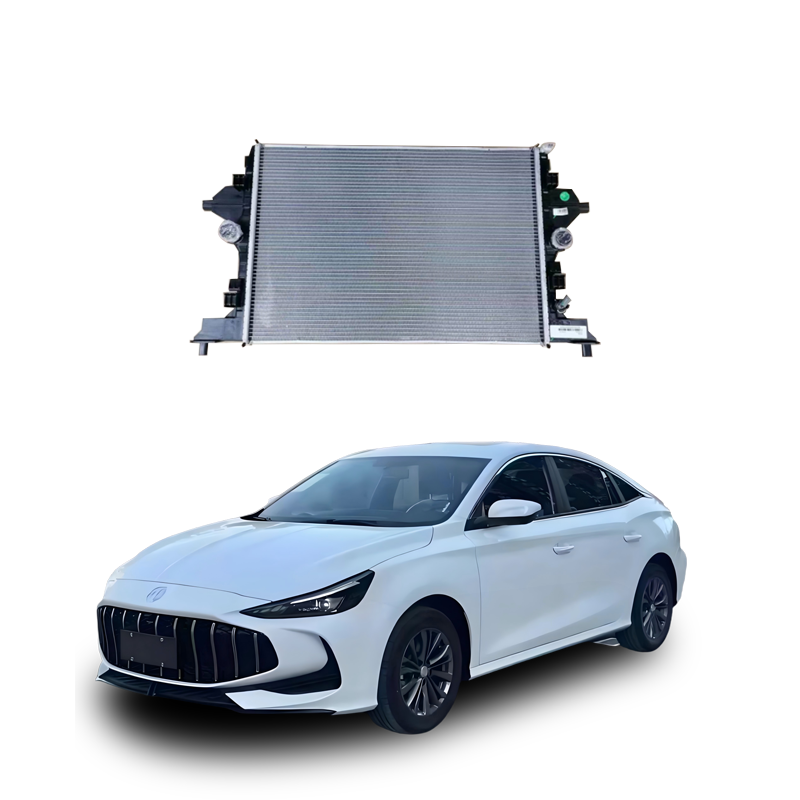
The main function of the car radiator is to dissipate heat, ensuring that the engine operates within the normal working temperature range. It absorbs the heat generated by the engine through the circulation of coolant and disperses it to the air through the radiator, preventing the engine from overheating. In winter, it can also provide heat for the heating system inside the vehicle.
The heat dissipation performance of the car radiator directly affects whether the engine can operate stably within the optimal temperature range. Its effectiveness is influenced by various factors such as material, structural design, and maintenance status. Overall, modern car radiators, when properly maintained, have efficient and stable heat dissipation capabilities.
Key factors determining heat dissipation performance
Material determines heat conduction efficiency
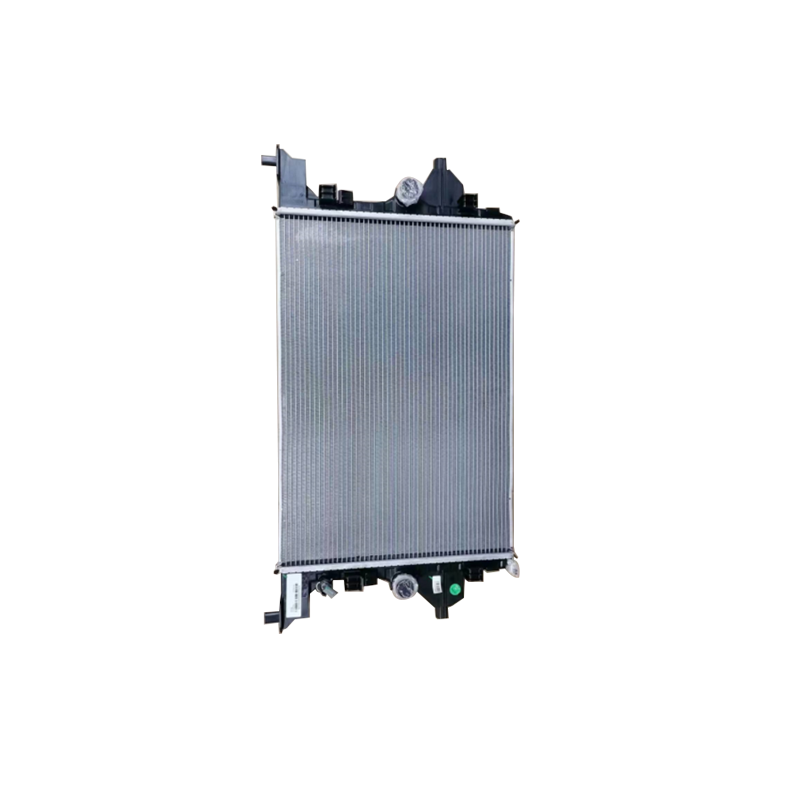
Common materials for car radiators include aluminum, copper, and copper-aluminum composite materials. Aluminum radiators are widely used in passenger cars due to their light weight and good heat conductivity, allowing for rapid transfer of heat to the radiator fins; copper radiators have better heat conductivity and are mostly used in commercial vehicles with higher heat dissipation requirements, but they are more expensive and heavier. Different materials directly affect the heat dissipation efficiency. High-quality aluminum alloys have become the mainstream choice.
The key to heat dissipation performance lies in the heat exchange area and air circulation efficiency. Modern radiators use densely arranged radiator fins and multi-channel aluminum tubes, significantly increasing the contact area between the coolant and the air, improving heat exchange efficiency. The high-density fin design is particularly suitable for heavy-duty and high-temperature harsh conditions.
The inlet and outlet water ports and the circulation system work in synergy
A proper layout of inlet and outlet water ports can promote the efficient circulation of coolant, and the intelligent regulation of the thermostat in the circulation system ensures that the engine can quickly warm up during cold starts and maintain stable heat dissipation during operation.
External and maintenance factors affect the actual performance
Dust blockage reduces heat dissipation efficiency: The front part of the radiator is prone to being blocked by willow catkins and dust, hindering air circulation, resulting in a decrease in heat dissipation capacity, especially more noticeable during spring or when traveling on dusty roads.
Scale accumulation affects heat conduction: Long-term failure to replace the coolant can lead to the deposition of scale, forming a heat barrier, and in severe cases, cause the "boiling over" phenomenon.
Fan and pump status are crucial: Faulty electronic fans or damaged pump impellers can directly affect the flow of coolant and the cooling effect of air circulation, resulting in poor heat dissipation.
Some brands, such as Toyota, use aluminum materials combined with intelligent thermostat and independent cooling systems (such as hybrid models), maintaining stable heat dissipation performance under various driving conditions. Customized high-density radiator nets for specific models can further enhance heat dissipation efficiency and protection capabilities.
The car radiator is the core component of the engine cooling system. Its main function is to dissipate the heat generated by the engine through the circulation of coolant and disperse it to the air, ensuring the engine operates stably within the appropriate temperature range (typically 85-95°C). Improper maintenance can lead to excessively high engine temperatures, "boiling over" of the engine, and even serious damage. Here are the scientific and systematic maintenance and maintenance requirements:
Regularly replace the coolant to ensure stable performance
Replacement cycle: It is recommended to replace it every 2 years or 40,000 kilometers, depending on the vehicle's user manual. Some long-lasting coolants can extend the replacement period to 5 years or 100,000 kilometers, but it is necessary to confirm compatibility.
Do not add water: Tap water contains minerals that can form scale and block the water channels, and it has no anti-corrosion function. Long-term use can corrode the water pump, radiator, and engine components; in winter, it may also freeze and burst the pipes.
Proper addition: Use original or compliant antifreeze (such as ethylene glycol type), with the same color as the original liquid, avoid mixing different chemical components of coolant to prevent precipitation or corrosion. Regularly check the level and sealing condition
Check frequency: It is recommended to check once a month, especially before long trips or seasonal changes. Check method: When the engine is in a cooled state, check the "MIN" and "MAX" scale lines on the expansion water tank (auxiliary water tank). The liquid level should be between the two. If it is too low, replenish the same type of coolant promptly.
Be alert for leaks: If the coolant level decreases frequently but there is no obvious leakage, it may be an internal leak (such as a damaged cylinder gasket, leakage from the heating water tank, etc.). It is necessary to repair it in time.
Keep the water tank clean to ensure the heat dissipation efficiency.
External cleaning:
The surface of the water tank is prone to accumulate dust, willow fluff, insect corpses and other debris, which affects ventilation and heat dissipation.
It is recommended to clean it once every 3-6 months. Use compressed air or a low-pressure water gun to rinse from the back to the front. Avoid damaging the heat sink with high pressure.
Internal cleaning:
After long-term use, the cooling system may accumulate scale, rust and impurities, affecting the circulation efficiency.
It is recommended to conduct a cycle cleaning once every 1-2 years using a professional water tank cleaning agent. Then, completely empty and add new coolant.
Do not use strong acid or strong alkali substances for cleaning to avoid corrosion of the pipes.
Key component inspection and maintenance:
Water tank cover: As a pressure regulating device, the normal working pressure is 0.8-1.3 bar, which can increase the boiling point of the coolant. It is recommended to replace it every 2 years to prevent aging and resulting in sealing failure.
Heat dissipation fan: Check if the fan automatically starts at high temperatures. If it does not rotate, it may be a fault in the motor, temperature control switch or fuse.
Thermostat: If the water temperature rises slowly or the heating is not hot, it may be that the thermostat is not fully closed. It needs to be replaced.
Pipes and joints: Regularly check if the water pipes and clamps have signs of aging, loosening or leakage. Tighten or replace them in time.
Driving habits and environmental adaptation:
Avoid operating at high temperatures: Long-term high-load driving (such as climbing hills, traffic jams) can easily cause the water temperature to rise. It is necessary to stop and idle the engine to cool down at an appropriate time. Do not immediately turn off the engine or open the water tank cover.
Winter protection: Ensure that the coolant freezing point is 10°C higher than the local minimum temperature to prevent cracking due to freezing; consider using an antifreeze heater when parking for a long time.
Preheating operation: After cold start, lightly step on the accelerator, wait for the water temperature to rise to the normal range before accelerating, which helps to extend the lifespan of the cooling system.
If you want to know more, keep reading the other articles on this site!
Please call us if you need such products.
Zhuo Meng Shanghai Auto Co., Ltd. is committed to selling MG&MAXUS auto parts welcome to buy.