What is the tensioning wheel of the car generator?
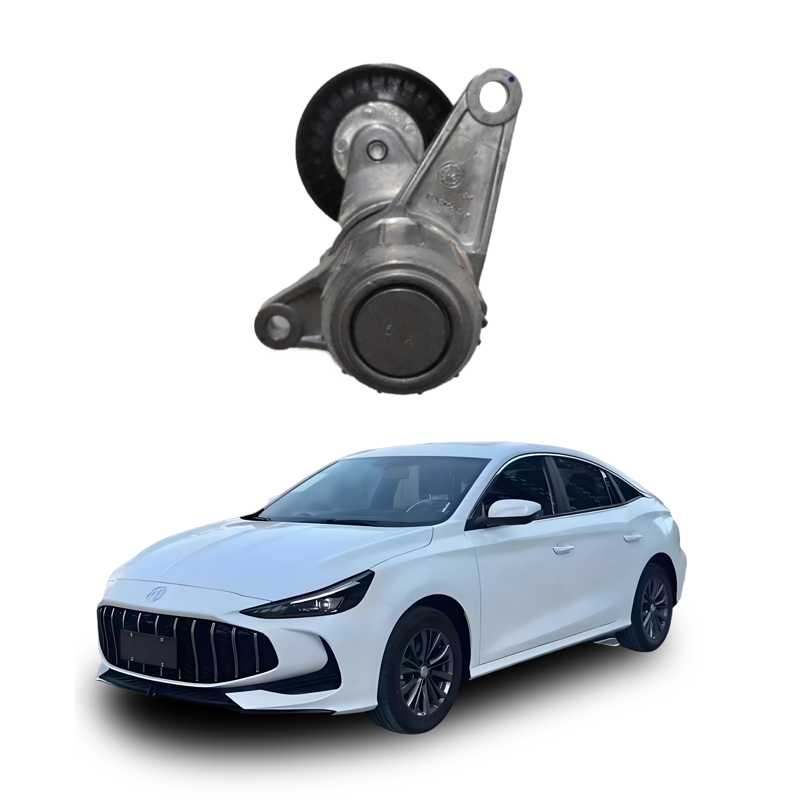
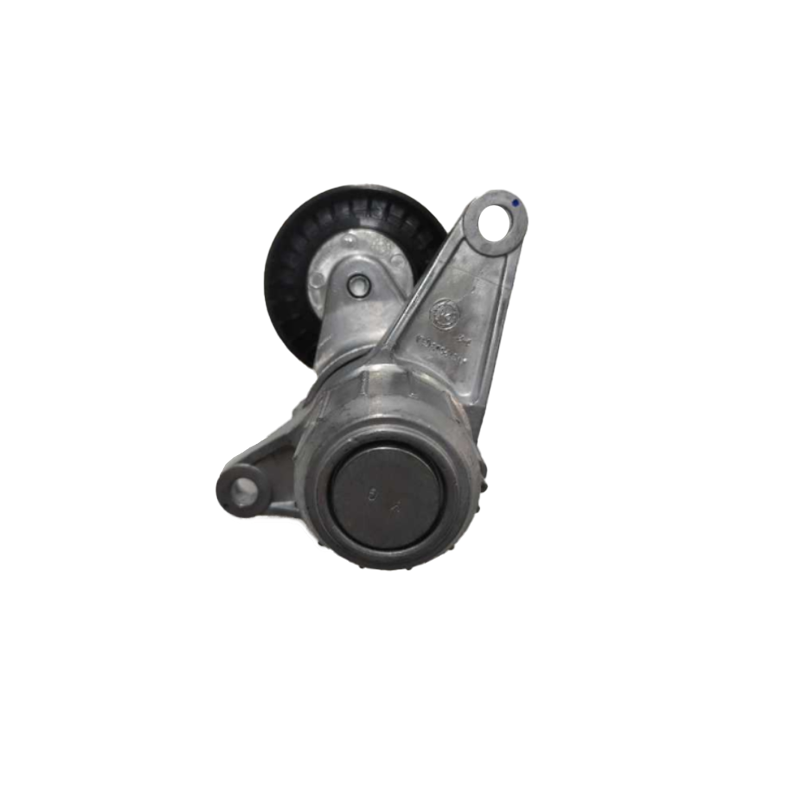
The tensioning wheel of the car generator is a key component in the front-end accessory drive system of the engine. It is mainly used to regulate and maintain the tension of the drive belt, ensuring the stable and efficient operation of the generator, air conditioning compressor, water pump and other accessories.
It does not directly participate in the engine's power output, but like a precise metronome, by applying a constant pressure, it makes the belt always adhere to the various gear systems, avoiding slipping, abnormal noise or skipping teeth caused by slack.
Core Function and Importance:
Maintaining Tension: Its core function is to provide continuous pressure through internal springs or hydraulic devices, automatically compensating for the elongation of the belt during use, maintaining the belt in the optimal tight state.
Ensuring System Stability: Insufficient tension can lead to unstable charging of the generator (possibly causing dim lights, interruption of fast charging), insufficient power of the air conditioning compressor, and in severe cases, even sudden derailment of the belt, causing chain failures.
Reducing Noise and Vibration: A well-functioning tensioning wheel enables the belt to run more smoothly, effectively reducing noise and absorbing some of the system vibrations, prolonging the lifespan of the belt.
Structure and Types:
The generator tensioning wheel is typically composed of a fixed housing, tensioning arm, wheel body, torsion spring, rolling bearing, and spring sleeve.
It is an easily damaged component in the automotive transmission system. It is generally recommended to inspect and replace it after 6-8 thousand kilometers of driving or when there is abnormal noise. It is often replaced together with the belt, idler wheel and other components to ensure system reliability.
The tensioning wheel of the car generator is a key component in the accessory drive system of the engine. Its main function is to regulate the tension of the drive belt for the generator (and air conditioning compressor, water pump, etc.), ensuring the stable and efficient operation of the transmission system.
The specific functions can be summarized as follows:
Maintaining Belt Tension: Through internal springs (such as torsion springs) or hydraulic devices, it automatically applies continuous pressure, keeping the belt in the appropriate tight state, avoiding slack caused by belt aging and elongation.
Preventing Slippage and Skipping Teeth: Appropriate tension can effectively prevent belt slippage during high-speed operation, ensuring that the generator and other accessories receive stable power input, avoiding charging deficiency or air conditioning failure due to power transmission interruption.
Reducing Vibration and Noise: The tensioning wheel can absorb and buffer the vibration of the belt, making the transmission smoother, significantly reducing abnormal noises such as "clicking" or "squeaking" in the engine compartment.
Extending Component Lifespan: By precisely controlling the tension, it avoids excessive wear of the belt due to being too loose and prevents overload damage to components such as bearings and generator shafts, thereby extending the lifespan of the entire transmission system.
Automatic Adjustment for Working Conditions: Modern tensioning wheels are mostly of automatic tensioning design, which can adjust the tension in real time according to engine speed changes, belt temperature and wear conditions, without the need for manual intervention, improving system reliability.
Note: In actual vehicles, "generator tensioning wheel" usually refers to the tensioning device for the auxiliary belt (such as multi-ribbed belt) for driving the generator, air conditioning compressor, etc. It is an independent system from the timing belt tensioning wheel. The timing belt system controls the opening and closing of engine valves, while the generator tensioning wheel is only responsible for power transmission to the accessories. The two have similar structures, but different positions and functions. When replacing, it is necessary to distinguish.
When the tensioning wheel of the generator fails, common symptoms include: continuous "clicking" noise during cold start, belt slippage causing dim lights or failure of the air conditioning, or even belt breakage leading to engine stall. It is recommended to inspect its condition every 6 thousand kilometers or when there is turning stickiness, obvious noise or failure of the spring, and replace it in time to avoid chain failures.
If you want to know more, keep reading the other articles on this site!
Please call us if you need such products.
Zhuo Meng Shanghai Auto Co., Ltd. is committed to selling MG&MAXUS auto parts welcome to buy.