What is the function and principle of the car air conditioning filter?
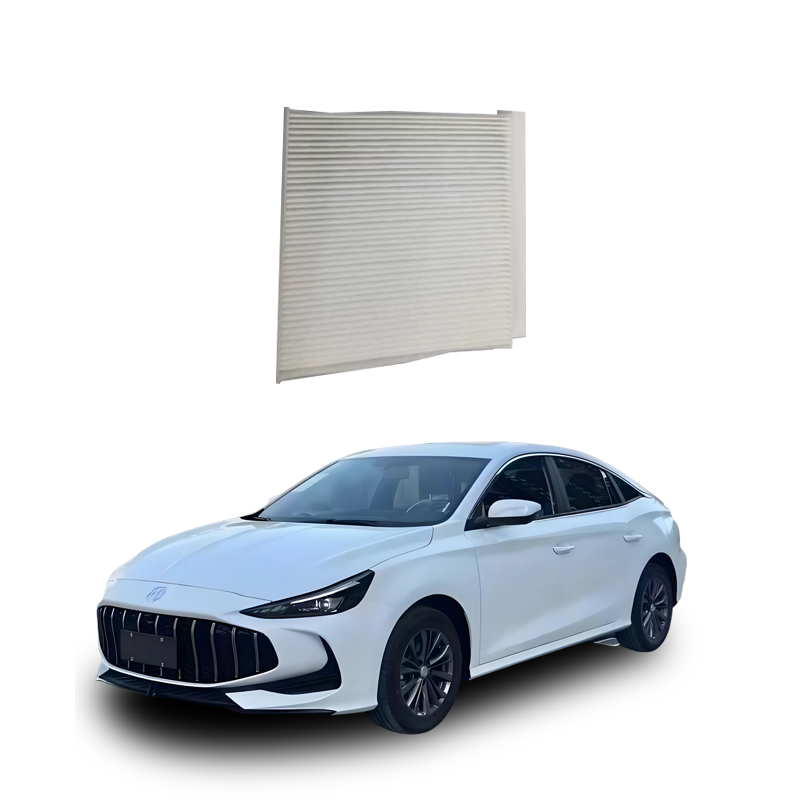
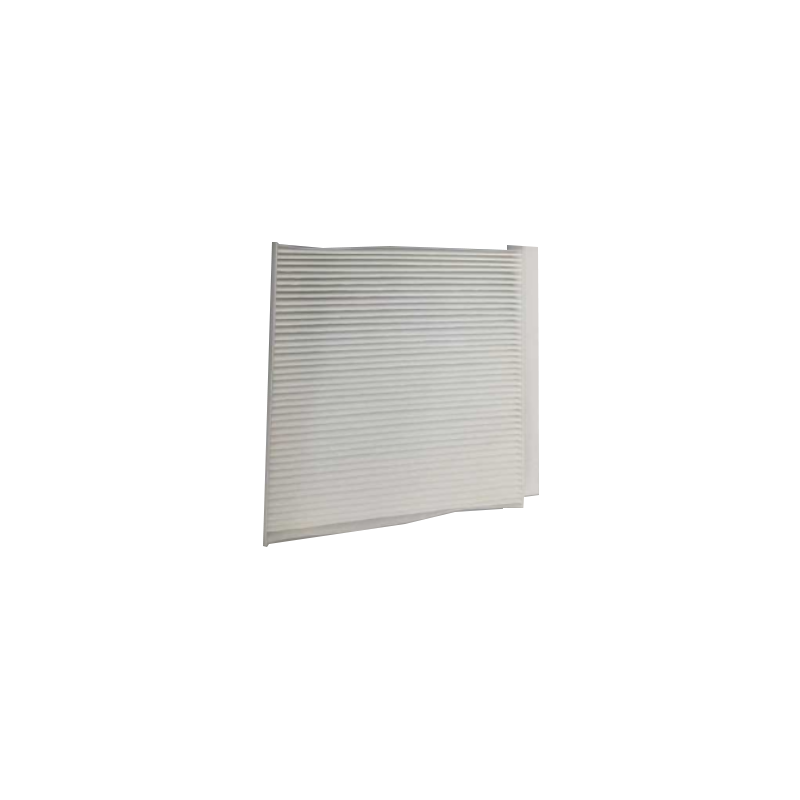
The core function of the car air conditioning filter (also known as the air filter or pollen filter) is to filter the air that enters the cabin from outside, improving the air quality inside the vehicle, protecting the health of passengers and maintaining the normal operation of the air conditioning system. Its working principle mainly relies on two mechanisms: physical filtration and partial chemical adsorption.
Main Function and Principle
Physical filtration:solid pollutants
Principle: The air conditioning filter is usually made of special filtering materials such as multi-layer non-woven fabric (non-manufactured fabric), with dense tiny pores inside.
Function: When the air outside is sucked into the air conditioning system, solid impurities such as dust, pollen, bacteria, industrial exhaust particles, soot, abrasive particles in the air are larger than the pores of the filter material and are physically blocked, intercepted on the surface or inside of the filter. This can effectively prevent these pollutants from entering the cabin, reducing allergic reactions or respiratory discomfort for passengers after inhalation, and avoiding pollutant contamination of internal components such as the air conditioning evaporator box.
Chemical adsorption (only for activated carbon type): Remove harmful gases and odors
Principle: Some high-end air conditioning filters have tiny granular activated carbon in the middle layer. Activated carbon is a material with extremely high specific surface area and porous structure, having a strong physical adsorption capacity.
Function: When the air flows through the activated carbon layer, harmful gases and molecules such as ozone, sulfur dioxide, nitrogen oxides, benzene, odors (such as exhaust fumes, cooking smells) in the air will be adsorbed on the surface of the micro-pores of the activated carbon, thus being removed. This can significantly improve the air smell inside the vehicle, providing a fresher and more comfortable driving environment.
Auxiliary Function: Prevent glass fogging
Principle: By filtering out some particles and moisture in the air, the air conditioning filter helps maintain the dryness and cleanliness of the air blown out by the air conditioning system.
Function: This can to some extent reduce the possibility of fogging on the car window due to temperature difference and moisture condensation, improving the safety of driving vision. Summary
In simple terms, the air conditioning filter is like an "air guard". It uses a physical barrier to block dust, pollen and other particles, while the activated carbon layer acts like an "air purifier", absorbing harmful gases and odors. Regularly replacing the filter can ensure its filtering and adsorption efficiency, guaranteeing fresh and healthy air inside the car and protecting the air conditioning system from running inefficiently.
When the air conditioning filter of a car is damaged, corresponding measures should be taken based on the degree of damage. The core principle is to handle it promptly to ensure the air quality inside the car and the normal operation of the air conditioning system.
Main handling methods
Minor damage: Temporary repair and replacement as soon as possible
If the filter only has small cracks or slight tears, a breathable adhesive tape (such as medical tape or special air conditioning filter tape) can be used for temporary sealing to prevent unfiltered air from entering. However, this is only a temporary solution and should not be used for a long time. It is recommended to buy a new filter and replace it as soon as possible to avoid a decline in filtering effectiveness and affect health and air conditioning performance.
Serious damage or blockage: Must be replaced immediately
If the filter has large areas of damage, deformation, severe dirtiness or is clogged (manifested as a significant decrease in air volume, unpleasant smell, and reduced cooling/heating efficiency), a new filter must be replaced. Continuing to use it will result in:
Increased burden on the air conditioning system, reducing cooling/heating efficiency;
Worsening air quality inside the car, potentially causing allergies or respiratory discomfort;
Long-term damage to subsequent components such as the blower.
Replacement steps (for common locations)
Preparations: Turn off the engine and close the air conditioning to ensure safety.
Locating the filter: The air conditioning filter of most vehicles is located behind the passenger seat glove compartment, and in some models it may be in the engine compartment (under the wiper or beside the driver's left foot). Refer to the vehicle manual to confirm the specific location.
Removing the old filter: Carefully open the glove compartment or related panel and remove the old filter. Pay attention to the installation direction (usually with an arrow indicating the airflow direction).
Cleaning the installation area: Use a dry cloth or vacuum cleaner to clean the dust and debris in the filter slot.
Installing the new filter: Ensure the new filter model is compatible with the vehicle, install it in the correct direction according to the arrow, and confirm its firmness before restoring the panel.
Replacement frequency recommendations
Regular situation: It is recommended to replace once every 1 year or 10,000 kilometers.
Severe environment: If frequently driving in areas with much dust, poor road conditions, pollen seasons or near construction sites, it is recommended to replace once every 3-6 months.
Abnormal signals: As soon as you notice a decrease in air volume, a musty smell or unpleasant odor, regardless of how long it has been used, you should replace it immediately. Notes for Attention
Do not wash with water: Most air conditioning filters are made of one-time paper or synthetic materials. They cannot be washed with water. Otherwise, the structure will be damaged and the filtering effect will be lost.
Choose genuine products: Purchase the original factory-made or quality-reliable aftermarket filters that match your vehicle model. Inferior products have low filtering efficiency.
For complex faults, seek professional handling: If the problem of "air conditioning not cooling", "blower not turning", or "alarm light on" persists after replacing the filter, it may be a fault of the blower, resistor, or circuit. You need to go to a regular repair shop for maintenance.
Summary: Damage to the filter is no trivial matter. Minor damage can be temporarily remedied, but severe damage or dirtiness must be replaced. Regular replacement is the most economical and effective way to ensure the health of the interior and the efficiency of the air conditioning.
If you want to know more, keep reading the other articles on this site!
Please call us if you need such products.
Zhuo Meng Shanghai Auto Co., Ltd. is committed to selling MG&MAXUS auto parts welcome to buy.