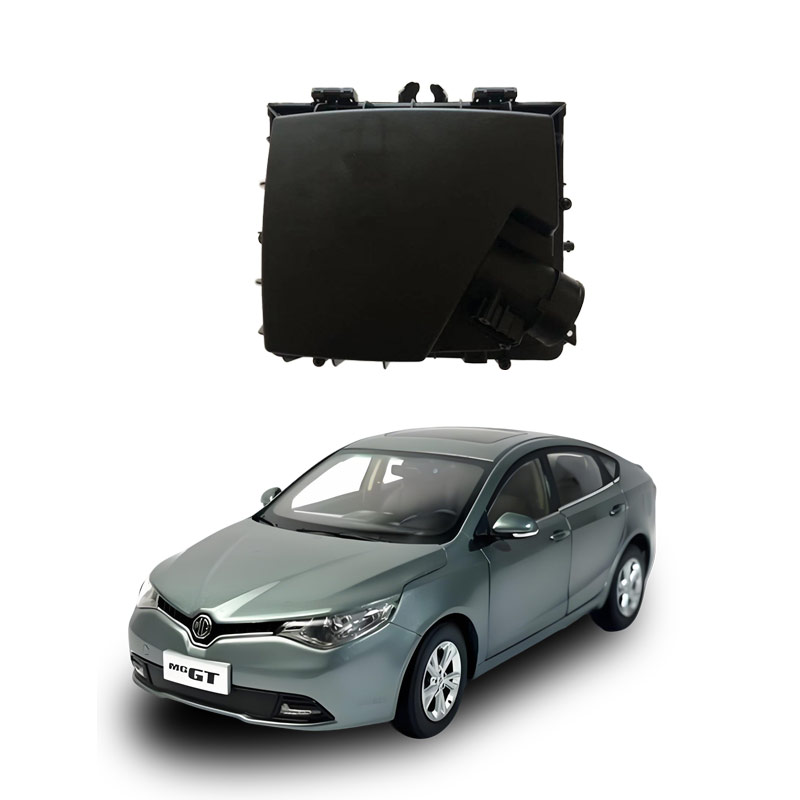
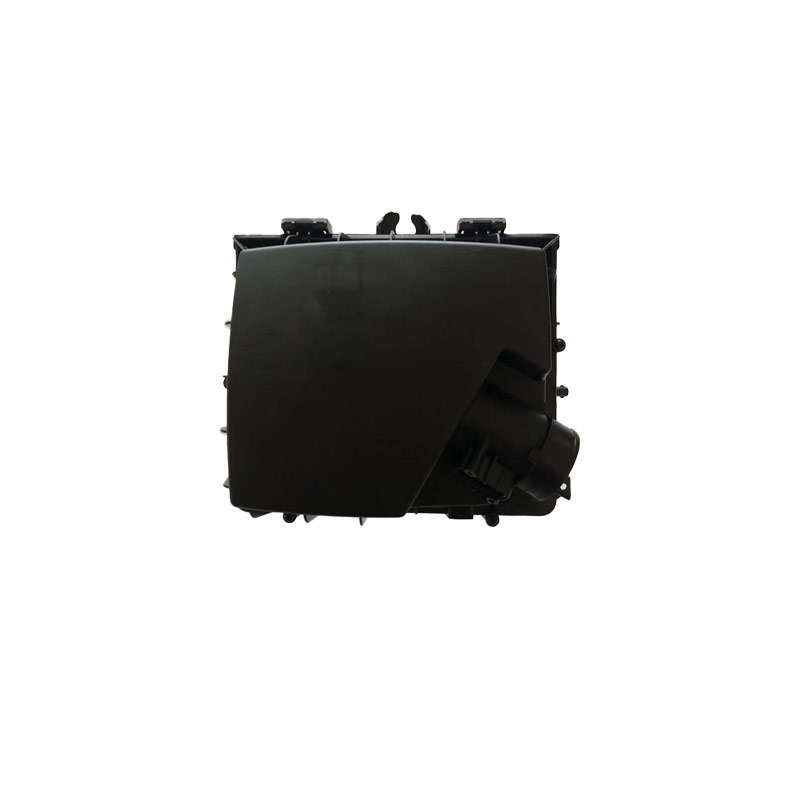
The function of the car air filter housing
Although the air filter housing of a car may seem insignificant, it is crucial for the normal operation of the engine. Its main functions can be summarized as follows:
Sealing and Protection: As the "protective cover" for the filter element, it ensures that only filtered air can enter the engine through the filter, preventing unfiltered dust-laden air from seeping in through gaps and avoiding wear on the precision components such as cylinders and pistons.
Maintaining In-Flux Efficiency: The internal structure of the housing needs to ensure smooth airflow and low resistance. If it is deformed or the inner wall is rough, it will cause unstable intake and affect power output and fuel economy.
Adaptation and Stability: High-quality housings are made of heat-resistant engineering plastics, combined with highly elastic sealing rubber strips and sturdy fasteners, ensuring reliable sealing in the high-temperature and vibration environment of the engine compartment.
If the housing has cracks, fastener breaks, or the sealing rubber strip is aged, even if a new filter element is replaced, it may still cause abnormal engine wear, power loss, or idle vibration due to a failed seal.
Therefore, during daily maintenance, one should check the condition of the housing, replace it in time if damaged, to ensure the engine's lifespan.
The failure of the car's air filter housing (i.e., the air filter housing) may seem like a housing issue, but it will directly affect the engine's intake efficiency and lifespan, and must be taken seriously.
The main impacts of air filter housing failure
Unfiltered air entering the engine: If the housing is cracked, deformed, or the sealing ring is aged, it will cause air to directly enter the intake system through gaps, bypassing the air filter. This will allow dust, sand, and other impurities to directly enter the cylinder, accelerating the wear of the piston, cylinder wall, and piston ring, and in severe cases, causing irreversible damage such as "cylinder seizure".
Reduced Power and Increased Fuel Consumption: For turbocharged engines, cracks in the housing will cause leakage of boost air, resulting in insufficient intake pressure and a significant reduction in power output, as well as incomplete combustion of the mixture and increased fuel consumption.
Abnormal Engine Operation: Unfiltered air may carry moisture or impurities, causing idle vibration, acceleration hesitation, and even the activation of the fault light (such as engine intake system fault codes).
Long-term Corrosion Risk: The moisture in humid air reacts with metal oxides, forming corrosive substances, which will cause cavitation erosion of the cylinder body over time.
Common Fault Manifestations
Cracks, gaps, or deformations in the housing (especially at the fasteners and edges)
Hardening, cracking, or detachment of the sealing ring, with no elastic rebound when pressed
Finding dust or sand accumulated inside the housing when disassembling, while the filter element itself is relatively clean
A "sizzling" air leakage sound in the engine compartment
Vehicles experiencing power loss, unstable idle, and abnormal increase in fuel consumption
Handling suggestions
Replace immediately, do not repair: Although there is a temporary method of using plastic glue to repair cracks, the shell is a pressure-bearing and weather-resistant component. During long-term use, it will continuously be exposed to heat and vibration. Repairing cannot guarantee sealing. Replacing with the original or reliable quality parts is the only reliable solution.
When replacing, pay attention to sealing: Before installing the new shell, be sure to clean the old rubber rings, dust, or foreign objects in the sealing groove to ensure the new sealing ring is installed smoothly and without distortion.
Regular inspection: Every time you replace the air filter, also check if the shell is aging, cracked, or the snap fasteners are loose. Do not only focus on the filter but ignore the shell.
Avoid using high-pressure water guns to rinse: When cleaning the engine compartment, avoid directly using a high-pressure water gun to rinse the air filter shell. This may cause the seal to fail or the shell to crack.
Important reminder: The air filter shell is the key barrier that ensures the engine "breathes clean air". Even if the filter is new, damage to the shell will render all filtering efforts useless. To ensure engine lifespan and driving safety, if you find a shell fault, you should replace it immediately.
If you want to know more, keep reading the other articles on this site!
Please call us if you need such products.
Zhuo Meng Shanghai Auto Co., Ltd. is committed to selling MG&MAXUS auto parts welcome to buy.