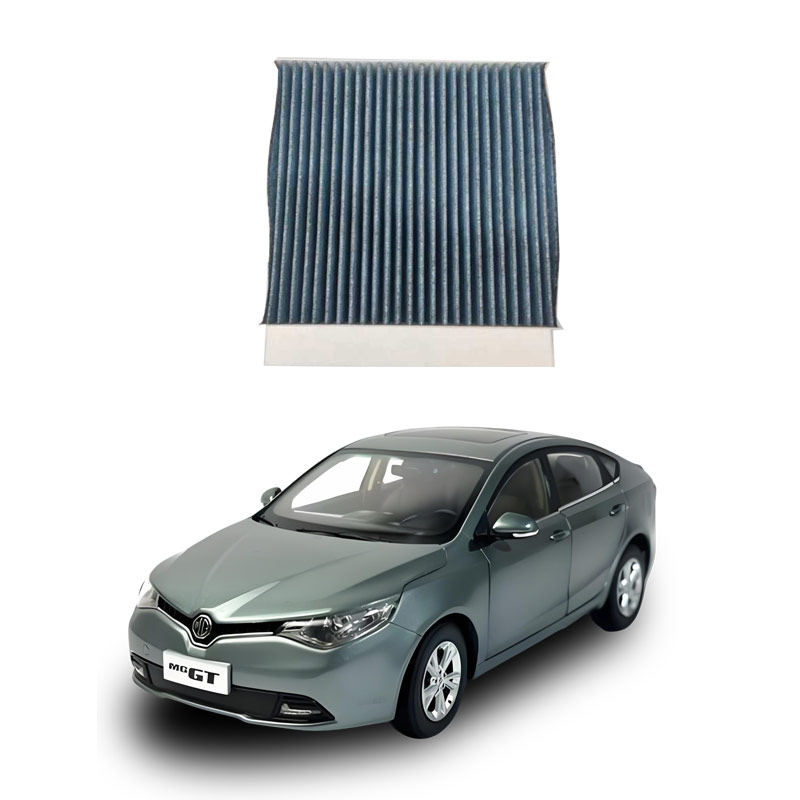
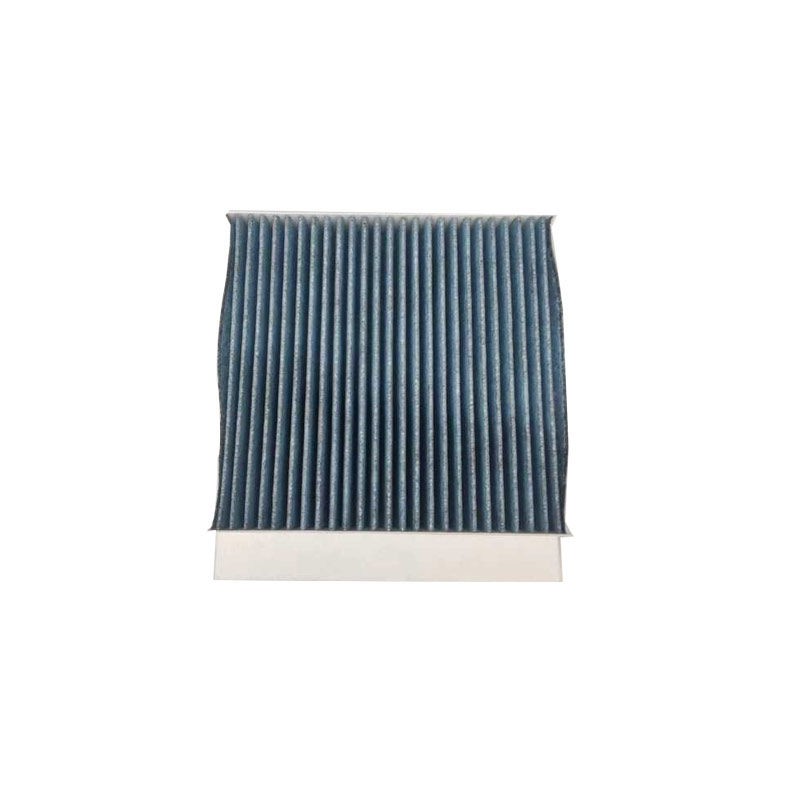
The function of the car air conditioning filter
The automotive air conditioning filter (also known as the air conditioning filter element or pollen filter) is a crucial component installed in the automotive air conditioning system. Its main function is to improve the indoor air quality, protect the occupants' health, and safeguard the air conditioning system. According to the latest authoritative public information, its core functions are as follows:
Main function
Filter particulate pollutants: Effectively intercept dust, pollen, PM2.5, bacteria, soot, etc., preventing them from entering the cabin.
Absorb harmful gases and odors: The activated carbon filter element can absorb chemical pollutants such as sulfur dioxide (SO₂), ozone, formaldehyde, benzene, etc.,
Prevent glass fogging: By regulating humidity and reducing particle adhesion, it helps the front windshield remain clear, enhancing driving safety.
Protect the air conditioning system: Avoiding the accumulation of dust and impurities on internal components such as the evaporator box and air ducts, prolonging the air conditioning system's lifespan and maintaining the air flow efficiency.
Inhibit allergies and respiratory irritation: Especially beneficial for people with allergic tendencies, it can significantly reduce symptoms such as sneezing and nasal congestion caused by pollen and dust mites.
Type and performance differences
Ordinary filter element: Can only filter particulate matter, mostly white non-woven fabric structure, with lower cost.
Activated carbon filter element: Adds an activated carbon layer on the basis of the ordinary type, having the ability to absorb odors and harmful gases, providing better comprehensive protection.
Replacement suggestions
Regular replacement cycle: Every 10,000 to 20,000 kilometers or every year replace once.
Special environments: In dusty, high-humidity areas or coastal regions, it is recommended to check every 6 months whether it is necessary to replace in advance.
Note: The activated carbon filter element cannot be washed or blown with high pressure water, as it may damage the adsorption structure.
If you need to check the compatible model for your specific vehicle or purchase replacement products, you can refer to the filter query services provided by platforms such as Autohome or Pacific Auto.
When the automotive air conditioning filter (usually the air conditioning filter element or air conditioning filter screen) fails, the most common situation is the air conditioning filter element clogging or the air conditioning system fault light coming on. The handling method should be based on the specific symptoms. The following are systematic handling suggestions:
Main processing steps
Check and clean or replace the air conditioning filter element
Symptoms: Reduced air flow from the air conditioner, decreased cooling effect, unpleasant odors in the cabin, fault light coming on.
Operation:
The air conditioning filter element is usually located behind the passenger seat glove box or under the instrument panel, and in some models, it is in the engine compartment (refer to the vehicle manual for the specific location).
Remove the filter element, observe whether it is clogged with dust, hair, or has any damage or deformation.
If the filter element is dirty but intact: Use a vacuum cleaner or low-pressure air gun to clean the dust, avoid water washing (some filter element materials are prone to damage when exposed to water).
If the filter element is severely dirty, damaged, or has been used for 1-2 years: It is recommended to replace the new filter element directly. When replacing, pay attention to the airflow direction indication (usually the arrow points towards the rear of the vehicle), ensure proper installation.
Replacement frequency: Generally, it is recommended to replace once every 1-20,000 kilometers or every year; if frequently driving in dusty, heavily polluted areas or with pets, it should be shortened to every 6 months.
Check for other potential faults in the air conditioning system
If the fault light still comes on after replacing the filter element or the cooling effect does not improve, the problem may lie in other components of the air conditioning system:
Insufficient or leaked refrigerant: Insufficient refrigerant will cause the air conditioner not to cool. Observe if there is oil stain on the air conditioning piping (refrigerant will carry out refrigerating oil), if so, it is necessary to quickly go to a professional repair shop for leak detection and refrigerant replenishment.
Sensor or circuit faults: Faults in the air conditioning temperature sensor, pressure sensor, or aging wiring may also trigger the fault light. Such problems require using a diagnostic tool to read the fault code, and it is recommended to have it handled by a professional technician. Compressor or fan failure: If the compressor doesn't work or the condensing fan doesn't rotate, it can also cause the air conditioner to fail. You can start the vehicle, turn on the air conditioner, and observe whether the compressor in the engine compartment engages and the fan is running.
Reset the air conditioning system (applicable to some models)
For some models, after replacing the filter, you need to manually reset the air conditioning system fault light. You can try turning off the ignition switch, disconnecting the negative terminal of the battery for 5-10 minutes, then reconnecting and starting the vehicle to see if the fault light goes out.
Some high-end models (such as Hitachi air conditioners) can clear the filter alarm through the "reset" function on the remote control or the central control screen. Notes for Attention
Safety First: Before conducting any inspection or replacement, please turn off the power supply of the air conditioner and shut it off to avoid electric shock or mechanical injury.
Use Original Accessories: When replacing the filter, choose the original or certified brand products that match the vehicle model. Poor-quality filters have poor filtering effect and may damage the air conditioning system.
Regular Maintenance: Incorporate the inspection of air conditioning filters into the regular maintenance plan, which can effectively extend the lifespan of the air conditioning system and improve the air quality inside the vehicle.
Complex Issues to Professionals: Operations involving refrigerant refilling, circuit repair, compressor maintenance, etc., carry safety risks. It is recommended to handle them at a reputable car repair shop.
By following these steps, most faults related to air conditioning filters can be resolved. If the problem persists, it is recommended to use an OBD diagnostic tool to read the specific fault codes to accurately locate the root cause of the problem.
If you want to know more, keep reading the other articles on this site!
Please call us if you need such products.
Zhuo Meng Shanghai Auto Co., Ltd. is committed to selling MG&MAXUS auto parts welcome to buy.