What is the function of the front lower bumper of a car?
The core function of the front lower bumper (often referred to as the front lip/under spoiler or the lower trim strip of the front bumper) is to optimize aerodynamics, assist in pedestrian protection, and enhance aesthetics. Its main energy absorption function remains the internal anti-collision beam and the main bumper structure.
Core Function Analysis
Aerodynamic Optimization: Straightening the airflow at the bottom of the vehicle head, reducing vortex resistance and increasing downforce, improving stability at high speeds, and some designs can reduce the drag coefficient by 0.03-0.05.
Pedestrian Protection Buffer: Combined with the flexible design of the main bumper, through rounded edges or specific height limitations, it reduces the impact injury to pedestrians' legs (especially the calves) during a collision, meeting regulatory requirements.
Protection and Flow Guidance: As a vulnerable covering part, it absorbs a small amount of energy in minor scratches to protect internal components such as the radiator; some models integrate flow channels to assist in braking or battery cooling.
Aesthetics and Function Integration: Enhancing the visual hierarchy of the front face, some positions are reserved for trailer hooks, radar holes, or fog lamp frames.
Structural Clarification
Non-primary Anti-collision Components: The true "anti-collision" relies on the internal metal anti-collision beam and energy absorption box. The external plastic lower trim or front lip mainly serves as decoration and air flow guidance, and in low-speed collisions, it mainly prevents damage to itself rather than completely blocking the impact.
Material Characteristics: Mostly PP plastic, ABS or carbon fiber (modifications), with lightweight and certain elasticity. Minor collisions allow for rebound or low-cost replacement to avoid damaging the vehicle frame.
Concept Distinction: If referring to "the entire front bumper", it includes low-speed energy absorption, pedestrian protection, sensor carriers (radar/camera) and decoration; if referring to "the front lip/under bumper", it focuses on aerodynamics and aesthetics, with extremely weak impact resistance.
Baidu Encyclopedia
During daily use, this component is prone to damage when rubbing against the curbstone. Although it does not affect the determination of the vehicle's safety structure (not for accident vehicle standards), the damage may cause airflow disorder or sensor obstruction. It is recommended to repair or replace it in time.
Common faults of the front lower bumper of a car usually manifest as looseness, subsidence, detachment, cracking or abnormal sensors. The core causes are failure of the fixing clips/screws, collision damage or component aging. Specific phenomena need to be investigated and repaired.
Common Fault Manifestations and Corresponding Causes
Looseness/Subsidence/Gaps: Loose screws, plastic clips breaking or aging, improper installation, slight collision causing the bracket to deform.
Detachment: Large-scale failure of the clips, severe impact destroying the connection point, long-term jolting causing fatigue fracture of the metal bracket.
Cracking/Deformation: Direct physical impact, material brittleness due to low temperature, damage to the internal buffer layer.
Function Abnormalities (such as radar not working): The bumper deformation presses on the sensor, loose wiring connector or water ingress causing short circuit, failure of the lamp assembly bulbs/wires.
Inspection and Handling Steps
Visual Inspection: Confirm whether it is a simple gap, overall subsidence or local cracking; check if the plastic guard plate (deflector) is independently damaged.
Tightening Test: Try tightening the visible screws at the bottom and the wheel arch; if ineffective, check if the internal clips are broken (part of the trim panel needs to be removed).
Damage Assessment: If there are obvious cracks, fractures or deformation of the internal impact frame, do not attempt to reset it; it needs to be replaced or professionally repaired by sheet metal work.
Electronic Testing: If accompanied by fault lights (radar/low beam), check the connector, and if necessary, use a diagnostic tool to read the fault code.
Maintenance Decision: Minor looseness can be fixed by DIY or replacing the clips (several dozen yuan); cracked, severely deformed or involving sensors, it is recommended to go to a 4S store/ professional repair shop. The cost ranges from several hundred yuan (repair/replace clips) to several thousand yuan (replacement of the assembly).
Notes for Attention
Safety First: Loose parts may fall off during driving and cause accidents for the following vehicle. Once discovered, they should be dealt with as soon as possible; if they obstruct the view or scrape the ground, the vehicle must be stopped immediately.
Avoid Misjudgment: Distinguish between "the lower edge of the front bumper" and "the lower guard plate of the engine". The latter's oil leakage or damage is a fault of the chassis system, not a problem with the bumper itself.
Accessory Selection: When replacing clips or bumpers, prefer original factory parts or high-matching parts to prevent gaps or abnormal sounds from occurring again due to size errors.
If you want to know more, keep reading the other articles on this site!
Please call us if you need such products.
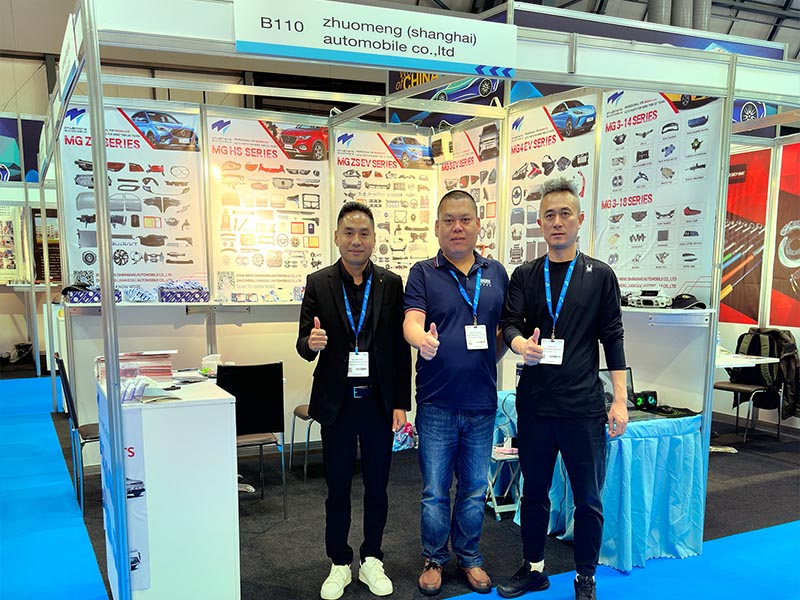
Zhuo Meng Shanghai Auto Co., Ltd. is committed to selling MG&750 auto parts welcome to buy.