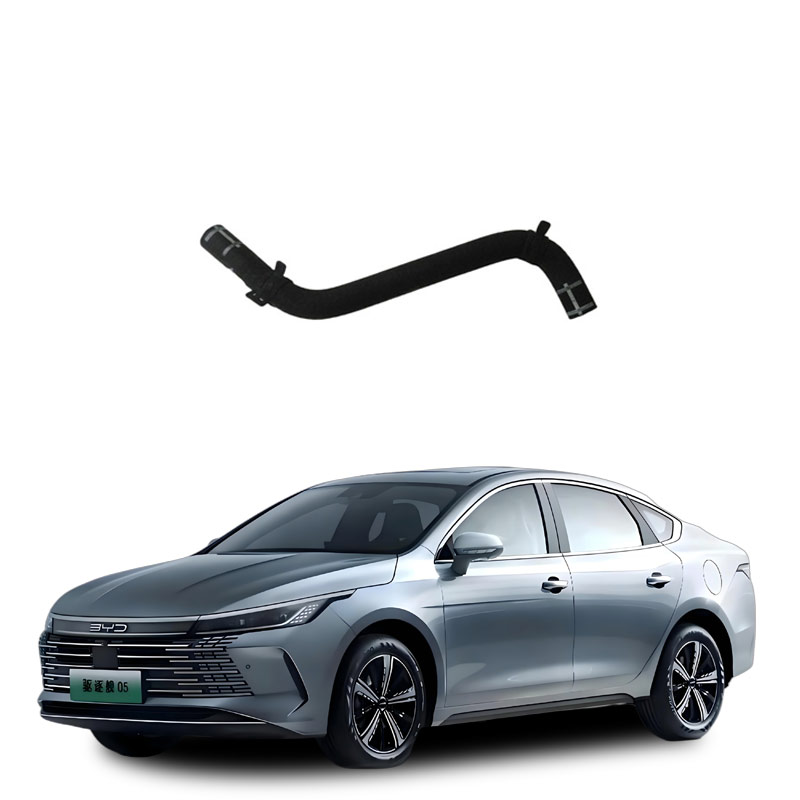
What is the connection hose assembly for the car brake fluid tank?
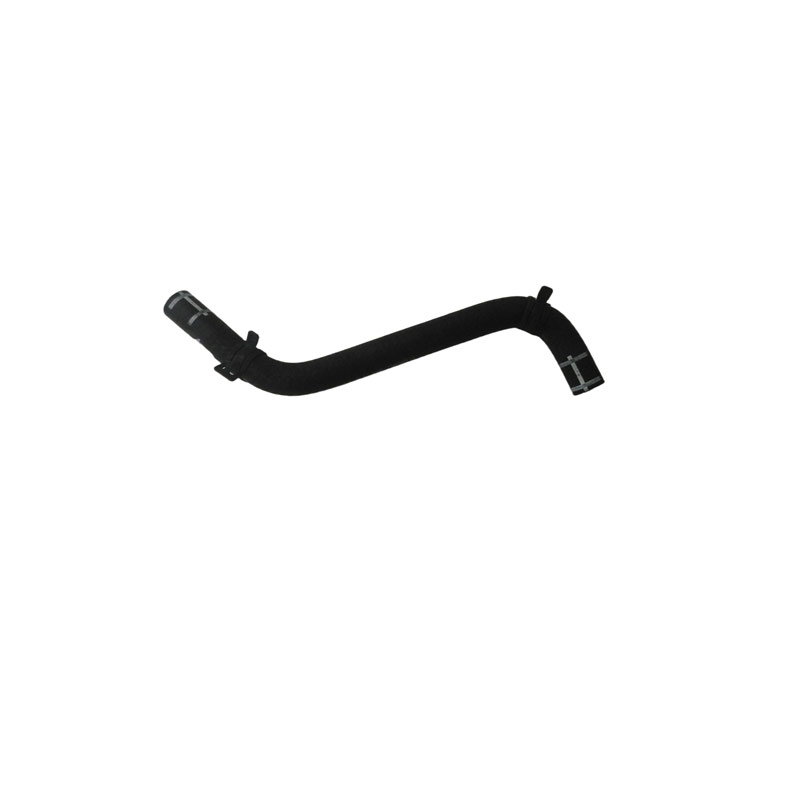
The assembly of the connection hose for the car brake fluid tank usually refers to the flexible connection pipe between the brake fluid reservoir (also known as the brake fluid tank) and the brake master cylinder, which is a key component in the braking system used to transfer brake fluid. According to public information, its core definition and function are as follows:
Basic Definition
Brake fluid tank (also known as brake fluid reservoir): Usually located in the engine compartment, it is used to store brake fluid, mostly made of semi-transparent plastic material, marked with "Brake Fluid" .
Connection hose assembly: Refers to the flexible or rigid pipeline connecting the brake fluid tank and the brake master cylinder, responsible for transporting brake fluid from the reservoir to the master cylinder to ensure the smooth hydraulic circulation within the braking system .
Main Function
Transmitting brake medium: When the driver steps on the brake pedal, the master cylinder generates hydraulic pressure, which is transmitted through this hose to each wheel brake pump (such as calipers or brake shoes), achieving the transmission of braking force .
Maintaining system sealingity: Ensures that the brake fluid does not leak during transmission, ensuring the stability of the hydraulic system pressure .
Structural Characteristics
In most cases, the connection between the brake fluid tank and the master cylinder is made with a hard metal pipe or a high-pressure plastic pipe, rather than a flexible rubber hose .
If there is a "hose assembly", it is usually a rubber or polymer hose resistant to brake fluid corrosion, which may contain:
Inner rubber layer: Resistant to brake fluid erosion;
Reinforcement layer: Woven fibers or steel wires, enhancing the compressive resistance;
Outer covering layer: Anti-aging, weather-resistant .
Notes
This part generally does not use flexible rubber hoses, as the relative position of the brake fluid tank and the master cylinder is fixed, no compensation for movement is needed .
If the vehicle is indeed equipped with a hose connection, it is necessary to regularly check for aging, bulging, or leakage, and replace it promptly if any abnormalities are found .
To view the specific layout of the brake fluid pipeline of a particular vehicle model, you can refer to the brake fluid pipeline location diagram provided by Pacific Auto .
The connection hose assembly for the car brake fluid tank (i.e., the brake master cylinder reservoir) is an important component of the braking system's flexible hydraulic transmission channel. Its core function is to ensure that the brake fluid is smoothly transported from the reservoir to the brake master cylinder and ultimately to each wheel brake, achieving reliable braking.
The specific functions can be summarized as follows:
Connection and transmission: As the flexible connection pipeline between the brake fluid tank (reservoir) and the brake master cylinder, it ensures that the brake fluid flows without leakage or air resistance within the system.
Adapting to displacement and vibration: Due to the relative movement and vibration of the components in the engine compartment, the flexible design of the hose can absorb vibrations, avoiding breakage or loosening caused by rigid connection.
Maintaining system sealingity: The hose assembly usually has a multi-layer structure (inner rubber layer, reinforcement layer, outer covering layer), which can withstand the chemical corrosion of brake fluid and maintain structural integrity under high pressure (up to 30 MPa during emergency braking) .
Ensuring braking response: If this hose is aging, bulging, or leaking, it will cause brake fluid loss or air entry, resulting in "brake softness", "longer pedal travel", or even brake failure .
Note: In some materials, "brake hose" mainly refers to the flexible pipeline between the master cylinder and the wheel brake, while "connection hose assembly for brake fluid tank" should more accurately be called "refilling pipe or inlet pipe from the brake fluid reservoir to the master cylinder", which has a lower pressure (usually at atmospheric pressure or slightly pressurized), but is crucial for preventing air entry into the system and ensuring sufficient fluid supply to the master cylinder. If this pipeline is damaged or aged, it may also lead to insufficient brake fluid, indirectly causing a decline in braking performance .
If you need to check or replace it, it is recommended to refer to the vehicle maintenance manual or use professional diagnostic tools to confirm whether there is air or leakage in the braking system. During regular maintenance, you can also check if the hose has hardened, cracked, or loose connections.
If you want to know more, keep reading the other articles on this site!
Please call us if you need such products.
Zhuo Meng Shanghai Auto Co., Ltd. is committed to selling MG&MAXUS auto parts welcome to buy.