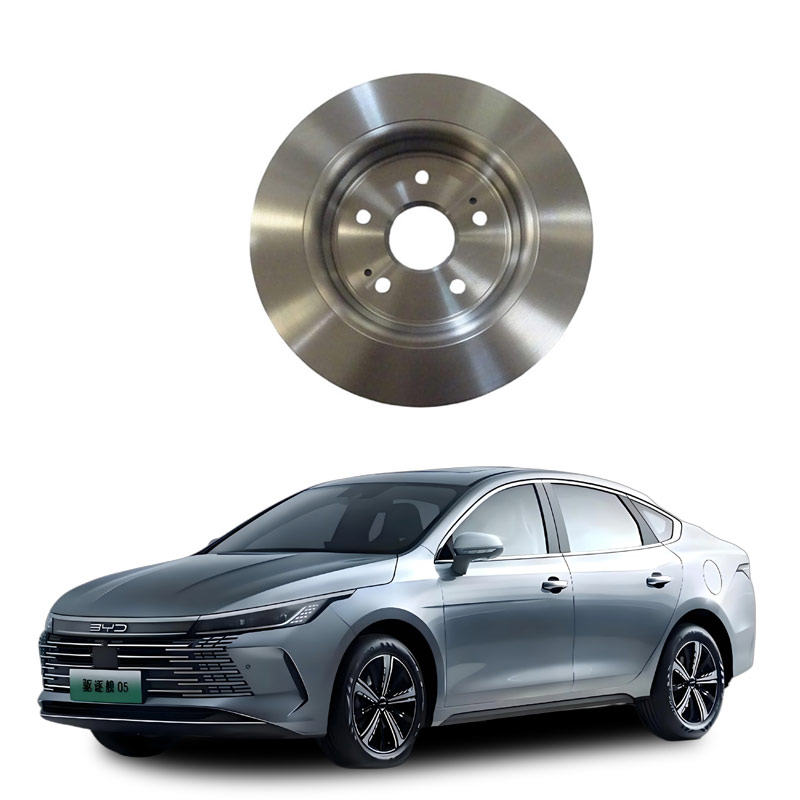
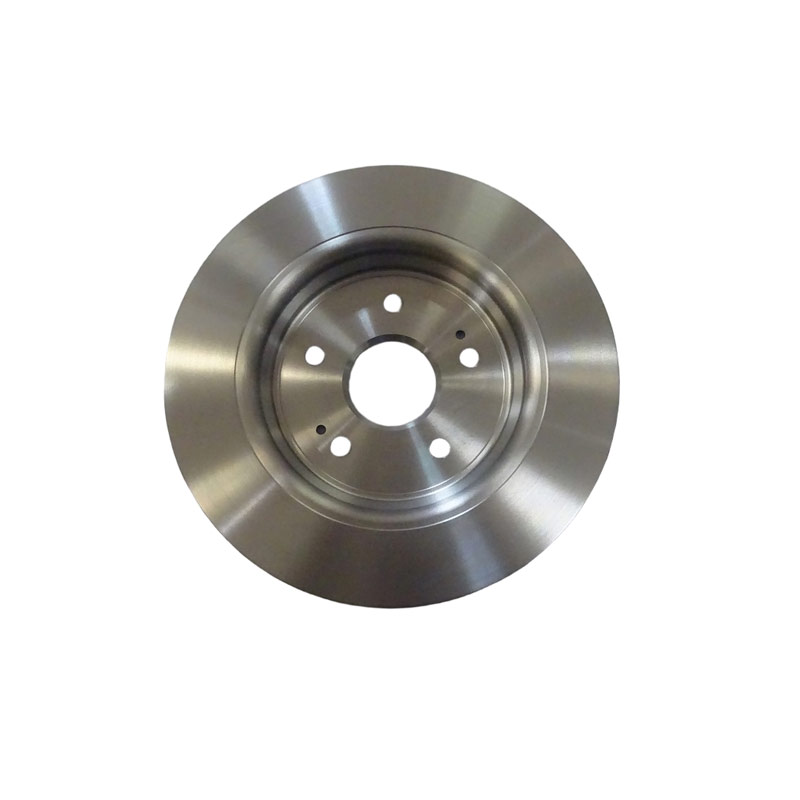
The function of the rear brake disc of the car
The rear brake disc is an important component of the disc brake system. Its main function is to generate braking force through friction with the brake pads, assisting in deceleration or stopping, and enhancing the stability and balance of the vehicle during braking.
Core Function
Auxiliary Brake Force Output: During vehicle braking, as the center of gravity shifts forward, the front wheels bear approximately 70% of the braking force, while the rear wheels bear the remaining portion (about 30%). Although the rear brake disc is not the main force, it is crucial for maintaining the braking balance of the entire vehicle.
Preventing Rear Wheel Swinging: On slippery roads or during emergency braking, the rear brake disc can effectively suppress rear wheel swaying, improving vehicle stability.
Cooperation with Electronic Safety Systems: The rear brake disc works in conjunction with electronic auxiliary systems such as ABS (Anti-lock Braking System) and VSC (Vehicle Stability Control), achieving precise braking force distribution.
Structural and Configuration Characteristics
Most commonly use solid discs or ordinary ventilated discs: Compared to the front wheels, the braking load on the rear wheels is smaller, so most family cars' rear brake discs use solid discs or non-drilled/lined ventilated discs to balance cost and performance.
Material Mainly Grey Cast Iron: It has good wear resistance and economy, suitable for daily use.
Some Models Integrate Parking Brake Function: Many rear-wheel disc brake systems incorporate drum-type parking brake mechanisms, facilitating handbrake operation.
Common Symptoms of Rear Brake Disc Failure May Include:
Reduced Braking Force, Brake Jolt, Abnormal Noise, Brake Deviation, or Brake Disc Unable to Rotate.
Based on current time (April 2026) and authoritative public information, the following are common causes and recommended solutions:
Common Fault Causes
Uneven or Deformed Brake Discs
Long-term repeated braking, heavy load driving, or continuous downhill braking can cause "wave patterns", "grooves", or thermal deformation on the surface of the brake disc. A plane deviation exceeding 0.05mm will cause brake jolt.
Excessive Wear of Brake Pads
When the thickness of the brake pads is less than 2–3mm, not only will the braking force decrease, but it may also directly scratch the brake disc, even causing metal contact noise.
Influence of Rust or Water Film on the Brake Disc
After the vehicle is submerged or parked for a long time, the surface of the brake disc is prone to form a water film or rust layer, causing a sudden drop in friction coefficient and a "sinking" sensation or initial shaking.
Stuck Pump or Poor Lubrication
If the piston of the rear wheel brake pump is rusted, the sealing ring is aged, or the slide pin is lacking oil, the brake disc will not be able to return normally, resulting in sluggishness, overheating, or even inability to rotate.
Electronic System Interference (such as ESP/ABS Sensor Faults)
If the rear wheel speed sensor is covered with mud or water, it may trigger abnormal ABS intervention.
Suggested Handling Steps
Initial Inspection
Observe if the brake warning light is on in the instrument panel.
Check if the brake fluid level is between MIN–MAX marks.
Inspect the thickness of the brake pads through the gap of the wheels (if less than 3mm, replacement is required).
Mild Abnormal Handling
If just submerged or notice slight shaking, you can lightly press the brake 3–5 times at low speed, using the friction heat to dry the brake disc.
Clean the rust on the surface of the brake disc (use fine sandpaper or special cleaners).
Professional Maintenance Suggestions
If shaking, abnormal noise, or insufficient braking force persist, immediately go to a professional repair point:
Test the thickness and runout of the brake disc (the maximum thickness is usually 2mm, and the end face runout should be ≤0.05–0.10mm).
Check if the rear wheel pump is stuck, and if the slide pin is lubricated.
If necessary, replace the brake disc + brake pads (it is recommended to replace them in pairs to maintain balance).
Preventive Measures Check the thickness of the brake pads every 10,000 kilometers, and replace the brake fluid every 2-3 years (replace immediately if the moisture content exceeds 3%). Avoid prolonged intermittent braking, heavy braking under heavy load, or washing the car immediately after high-speed driving.
Safety reminder: The braking system is directly related to driving safety. Any abnormalities should be investigated as soon as possible and do not drive with faults. In case of severe braking failure, please stop by the side of the road immediately and contact for rescue.
If you want to know more, keep reading the other articles on this site!
Please call us if you need such products.
Zhuo Meng Shanghai Auto Co., Ltd. is committed to selling MG&MAXUS auto parts welcome to buy.