What is the function of the rear bushing of the car suspension?
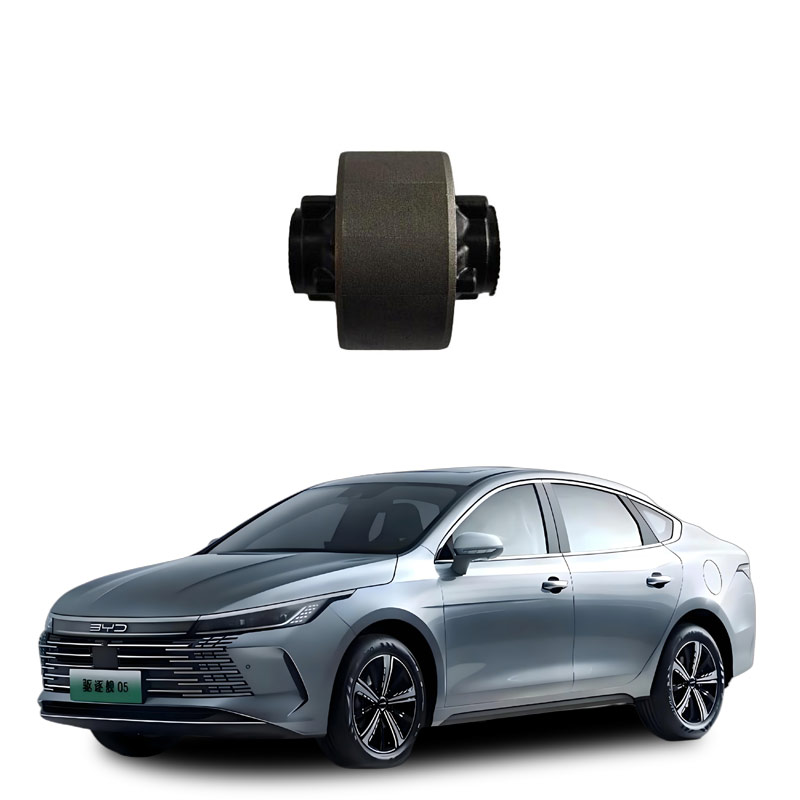
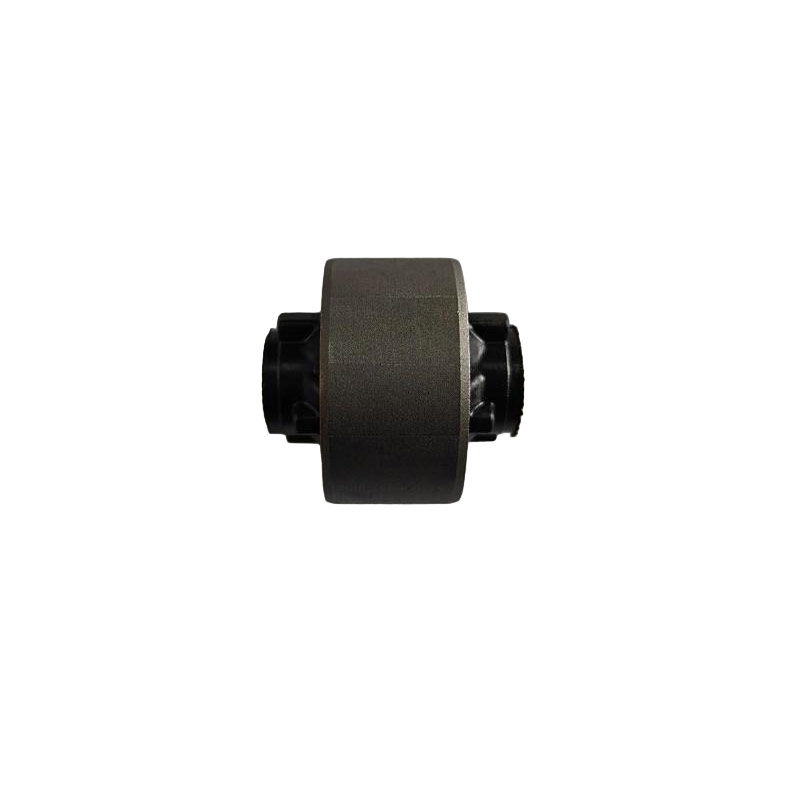
The term "rear suspension bushing" is not commonly used in public materials. Considering the context and automotive technical terms, it is most likely referring to "rear steering arm bushing" or "rear suspension steering arm bushing". Based on authoritative automotive technical materials, the functions of the rear suspension bushing are as follows:
Core functions of the rear suspension bushing
Buffering and shock absorption: Absorbing the impact and vibration from the road surface, reducing the vibration transmitted to the vehicle body, and improving ride comfort and passenger comfort .
Noise reduction and sound insulation: Through rubber and other elastic materials to seal and buffer the contact between moving parts, reducing abnormal noises from the chassis and tire noise .
Stabilizing the handling performance: Ensuring the precise positioning of the rear steering arm, maintaining good contact between the wheels and the ground, and preventing steering drift, body side roll, or high-speed shaking .
Protecting components: Preventing direct friction and wear of metal parts, while also preventing dust, water, and oil, and extending the lifespan of the rear steering arm and suspension system .
Support and connection: As a flexible connecting piece between the rear steering arm and the frame, it bears part of the load and allows for reasonable movement .
Fault manifestations (when the bushing fails)
If the rear suspension bushing is aged, cracked, or falls off, the following may occur:
When passing over speed bumps or bumpy roads, the chassis may emit a "clunking" abnormal noise;
The vehicle's driving stability may decrease, the steering may feel loose or deviate;
The tires may experience accelerated abnormal wear;
The overall "looseness" of the chassis may become more obvious .
Note: If "stabilizer bar" specifically refers to a certain structure (such as the rear stabilizer bar link or rear axle control arm of certain models), its bushing function principle is similar, still focusing on the core functions of "shock absorption, positioning, and buffering" . It is recommended to regularly check the condition of the suspension bushings. Especially when the mileage exceeds 80,000 kilometers or abnormal noises are detected from the chassis, they should be replaced promptly to ensure driving safety.
"The rear suspension bushing" usually refers to the bushing on the rear axle arm (or rear suspension arm), which is a key buffering component of the vehicle's rear suspension system. Its main function is to connect the rear axle to the vehicle body, absorb road shocks, suppress abnormal noises, and maintain the stability of rear wheel alignment.
When this bushing fails, it will cause a series of driving abnormalities, as follows:
Typical failure manifestations
Obvious chassis noise
When passing, potholes or bumpy roads, one will hear "click-click" or "thud-thud" sounds of metal friction/impact, especially more pronounced at low speeds or when turning .
Abnormal tire wear
The failure of the bushing causes the rear axle alignment to shift, resulting in uneven tire loading, internal/external side wear, zigzag or wavy wear, significantly shortening the tire lifespan .
Reduced driving stability
At high speeds (such as above 100 km/h), the vehicle is difficult to maintain a straight line, requiring frequent steering corrections;
When turning or changing lanes, there is "floatation" or poor tracking performance, and the steering wheel may be slightly tremble .
Increased vibration transmission
The damping effect is weakened, and the bumps originally buffered by the bushing are directly transmitted to the vehicle body, resulting in a significant increase in the vibration sensation inside the vehicle, especially for the rear passengers; even on flat roads, one may feel "numbness" or "looseness" .
Asymmetric wheel and wheel arch position
It can be observed that the gap between one side of the rear wheel and the wheel arch is significantly smaller, or the tire shows abnormal postures such as outward or inward inclination, or rearward tilt .
Potential risks
If the failure is ignored, it may lead to:
Other components of the suspension system (such as connecting rods, shock absorbers, stabilizing bars) accelerating wear;
Extended braking distance, and delayed response in emergency situations;
In extreme cases, complete fracture of the bushing may cause rear axle displacement and loss of control, seriously threatening driving safety .
Recommended handling methods
Stop driving at high speed immediately to avoid exacerbating damage or causing accidents;
As soon as possible, go to a regular repair facility to check if the rear axle bushing of the vehicle is damaged:
Rubber cracking, bulging, aging and hardening;
Metal framework loosening or detachment;
Conduct a four-wheel alignment test simultaneously to confirm if the rear wheel parameters have shifted ;
Replace the bushing promptly, preferentially choosing original factory or reliable aftermarket parts to ensure proper installation techniques .
Note: For some vehicle models, the rear axle bushing is an integrated structure that cannot be replaced separately. If the damage is severe, it may be necessary to replace the entire axle arm assembly. It is recommended to consult a professional technician to confirm the repair plan.
If you want to know more, keep reading the other articles on this site!
Please call us if you need such products.
Zhuo Meng Shanghai Auto Co., Ltd. is committed to selling MG&MAXUS auto parts welcome to buy.